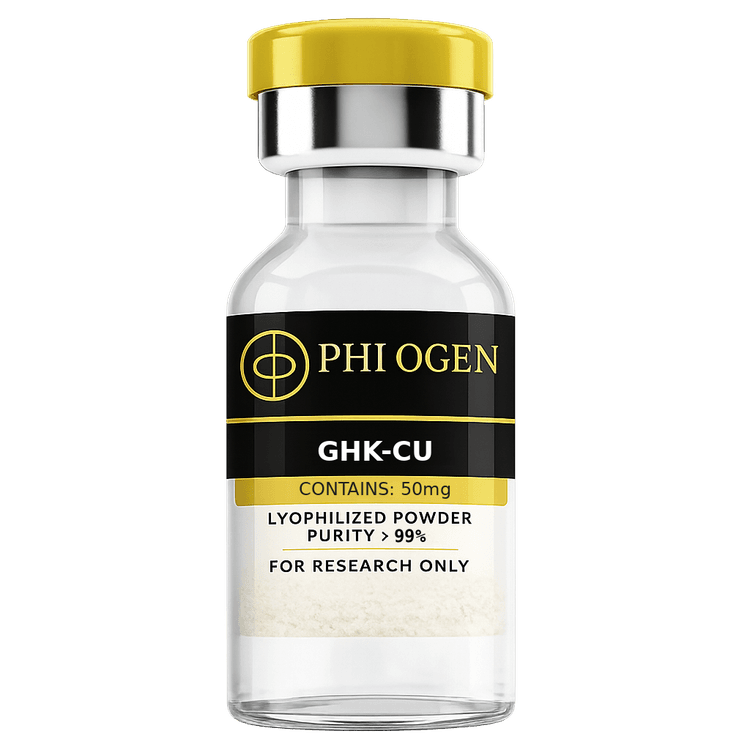
Copper-Binding Regenerative Tripeptide
Buy GHK-Cu
Not For Human Use, Lab Use Only.
Naturally occurring copper peptide with one of the broadest gene-activation profiles in skincare research. Activates ~4,000 genes involved in tissue repair, collagen synthesis, and skin remodeling.
≥98% Purity
HPLC Verified
Research Grade
Lyophilized
Fast Shipping
Free $200+
Specifications
GHK-Cu — Synergistic Combinations
Tretinoin / Retinoids
Tretinoin accelerates cell turnover; GHK-Cu stimulates collagen synthesis. The two work on complementary pathways without interference. Together they represent the most evidence-backed anti-aging topical combination available.
BPC-157
BPC-157 provides systemic wound healing and angiogenesis; GHK-Cu provides topical collagen and elastin synthesis. Stacked for skin repair, scar reduction, and anti-aging — the two most researched skin-active peptides.
Retatrutide
During rapid fat loss from GLP-1 class compounds, skin elasticity can be compromised. GHK-Cu's collagen-stimulating effects help maintain skin quality and reduce loose skin formation during aggressive body recomposition.
GHK-Cu — Receptor Pathways
Gene Activation — 4,000+ Repair Genes
A landmark gene microarray study by Pickart and Margolina identified GHK-Cu as activating approximately 4,000 human genes — including genes involved in collagen synthesis, elastin production, antioxidant defense, and anti-inflammatory pathways. This broad activation profile distinguishes GHK-Cu from single-pathway compounds.
Collagen & Elastin Synthesis
GHK-Cu stimulates fibroblast proliferation and upregulates collagen I, III, and VI synthesis alongside elastin and proteoglycans. Research shows increased skin firmness and thickness with topical application — the primary reason it is used in anti-aging skincare.
Antioxidant & Anti-Inflammatory Activity
GHK-Cu downregulates inflammatory genes including TNF-α, IL-6, and NF-κB pathways. Simultaneously, it upregulates antioxidant enzymes including superoxide dismutase (SOD) and catalase, reducing oxidative stress in aged tissue.
Angiogenesis & Wound Healing
GHK-Cu promotes VEGF expression and microvascular development — the same angiogenic pathway exploited by BPC-157. In wound healing models, GHK-Cu accelerates closure through combined fibroblast recruitment, collagen deposition, and vascular ingrowth.
Buying GHK-Cu: Vial Math & Handling
Illustrative ranges from published laboratory work—reference only, not a protocol for use.
Topical Application
0.1–2% concentration in serum / Once or twice daily
Topical Application
0.1–2% concentration in serum / Once or twice daily
Most studied application method. Apply to cleansed skin, allow absorption before moisturizer. Synergistic with retinoids on complementary pathways.
Subcutaneous / Intradermal
1–5 mg per application / 2–3x weekly
Subcutaneous / Intradermal
1–5 mg per application / 2–3x weekly
Used in some protocols for localized tissue repair. Inject proximal to target tissue.
GHK-Cu — Research-Use Notice
This page summarizes identity, purity, and handling context for catalog navigation. It is not medical advice, a drug label, or a summary of clinical outcomes for any use. Materials are sold for legitimate laboratory research only; verify requirements with your institution and the supplier.
Peptides to Buy With GHK-Cu
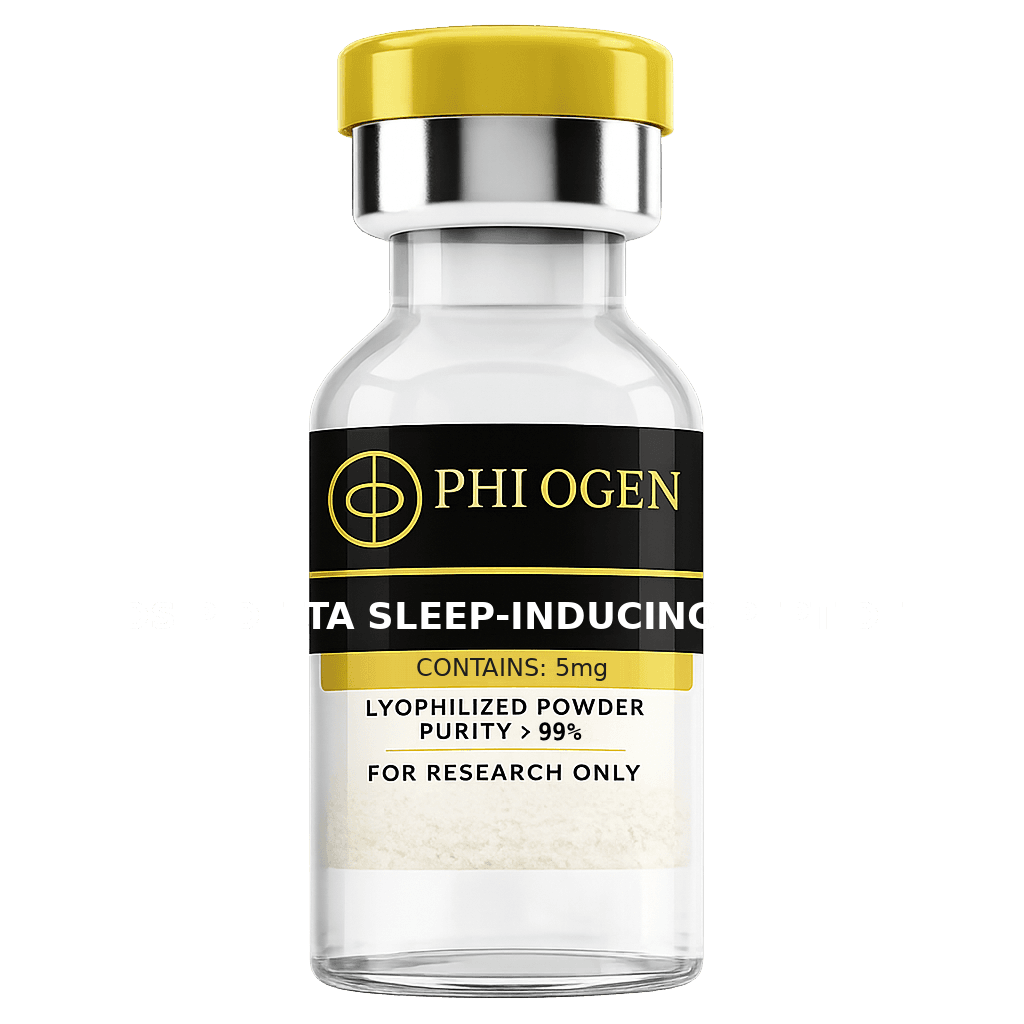
DSIP
CAS: 62568-57-4
GHK-Cu
from $45.00