Women's Looksmaxxing
Peptide protocols for feminine aesthetics — skin glow, metabolic optimization, and the Venus Protocol
Women's Looksmaxxing Peptides: A Research Overview
Looksmaxxing as a discipline has historically been framed around male biology — testosterone optimization, jaw development, frame building, and protocols designed for male hormonal environments. Women's looksmaxxing occupies a different research space entirely, one where the target outcomes, the relevant compounds, and the underlying biology all differ.
Women's looksmaxxing peptide research focuses on four interconnected systems: skin architecture and collagen density, metabolic reshaping and fat redistribution, gut health and the gut-skin axis, and anti-aging at the cellular and structural level. The goal is a research framework for feminine aesthetic optimization that works with female biology rather than against it.
Why Women's Protocols Are Different from Male Stacks
The foundational difference is hormonal context. Male looksmaxxing stacks are often designed to work within or enhance a testosterone-dominant environment — compounds that interact with androgen pathways, GH axis protocols aimed at mass development, and body composition tools that prioritize lean mass gain alongside fat loss.
Women's looksmaxxing protocols contain no androgens and no androgenic compounds. The compounds are selected for their direct aesthetic effects on skin, fat distribution, gut health, and cellular aging — not for interaction with testosterone pathways that aren't the primary drivers of female aesthetics.
Estrogen and progesterone govern women's fat distribution (gluteal-femoral vs. visceral), skin collagen density (estrogen directly stimulates dermal fibroblasts), gut motility, and hormonal feedback to GLP-1 receptors. This means GLP-1 agonists interact with female metabolism differently — the fat redistribution patterns, the insulin sensitivity changes, and the hormonal feedback loops are all distinct.
Key Compounds for Feminine Aesthetics
GHK-Cu (Copper Peptide) — The Skin Foundation
GHK-Cu is the primary compound for women's skin-focused research. Naturally present in human plasma, GHK-Cu levels fall sharply with age — from approximately 200 ng/mL at age 20 to under 80 ng/mL by 60. This decline correlates with the reduction in dermal collagen density and skin elasticity that is a central concern in anti-aging research.
Research by Dr. Loren Pickart demonstrated GHK-Cu's role in stimulating fibroblast collagen synthesis, promoting glycosaminoglycan production, activating VEGF-dependent angiogenesis, and modulating a gene expression program that affects over 32% of human genes associated with aging processes. For women, whose dermal collagen baseline is lower than men's (women have thinner dermis by approximately 20%), GHK-Cu's collagen-stimulating effects are particularly relevant.
Semaglutide (GLP-1 S) — Metabolic Reshaping and Fat Redistribution
Semaglutide is the women's looksmaxxing protocol's metabolic anchor. As a GLP-1 receptor agonist, it produces appetite suppression, slowed gastric emptying, improved insulin sensitivity, and sustained caloric deficit. STEP trial data showed approximately 14-16% weight loss at 68 weeks in women, with notably favorable body composition outcomes — preservation of lean mass alongside subcutaneous fat reduction.
For women, the key distinction is fat redistribution pattern. Semaglutide's fat-loss profile tends to reduce central and visceral adiposity while the gynoid fat distribution (gluteal-femoral) is preserved to a greater degree — a pattern consistent with the aesthetic goals of feminine looksmaxxing, which prioritize defined waist-to-hip ratio over extreme overall leanness.
BPC-157 — Gut Healing and the Gut-Skin Axis
Women are disproportionately affected by functional GI disorders, IBS, and intestinal permeability issues. The gut-skin axis — the bidirectional relationship between gut microbiome health, intestinal barrier integrity, and skin inflammatory status — is well-established in dermatological research. Gut dysbiosis and leaky gut are associated with systemic inflammation that manifests in skin as redness, acne, and accelerated aging.
BPC-157 (Body Protection Compound-157) addresses this directly. Derived from a protective protein in human gastric juice, BPC-157 has demonstrated gastroprotective effects, intestinal mucosal repair, reduction of gut inflammation, and stabilization of the intestinal barrier across 100+ published studies. For women running Semaglutide, BPC-157 also counteracts GLP-1-induced GI side effects (nausea, altered motility).
The Venus Protocol
The Venus Protocol is the integrated women's looksmaxxing stack: GHK-Cu (skin/collagen), Semaglutide (metabolic reshaping), BPC-157 (gut healing), and SNAP-8 (anti-aging/expression lines). It is the first comprehensive protocol designed specifically for feminine aesthetic optimization — a "sanctuary protocol" that targets the biological variables most relevant to female presentation without any androgenic components.
The Venus Protocol is covered in detail in the [Venus Protocol blog post](/blog/venus-protocol-womens-looksmaxxing).
Skin-Focused Peptide Research
Beyond GHK-Cu, women's skin research involves several complementary compounds:
SNAP-8 (Acetyl Glutamyl Heptapeptide-3) modulates the SNARE complex at the neuromuscular junction, reducing the repetitive microexpressions that form dynamic expression lines. Studies have shown up to 63% reduction in wrinkle depth with topical application. Its mechanism is distinct from and synergistic with GHK-Cu — one builds dermal architecture from below, the other prevents surface breakdown from above.
Epithalon is studied for telomerase activation and cellular longevity — relevant to the long-term maintenance of skin cell replicative capacity and dermal regeneration.
The convergence of metabolic peptides (GLP-1 agonists), regenerative peptides (BPC-157), and dermal peptides (GHK-Cu, SNAP-8) represents the current frontier of women's looksmaxxing research. Each addresses a different biological system; together, they form a comprehensive protocol for feminine aesthetic optimization.
Research-Grade Women's Looksmaxxing
>98% purity, third-party tested. Free shipping on orders over $200.
Women's Looksmaxxing — Available Products
Research-grade compounds from Apollo Peptide Sciences. >98% purity, CoA on request.
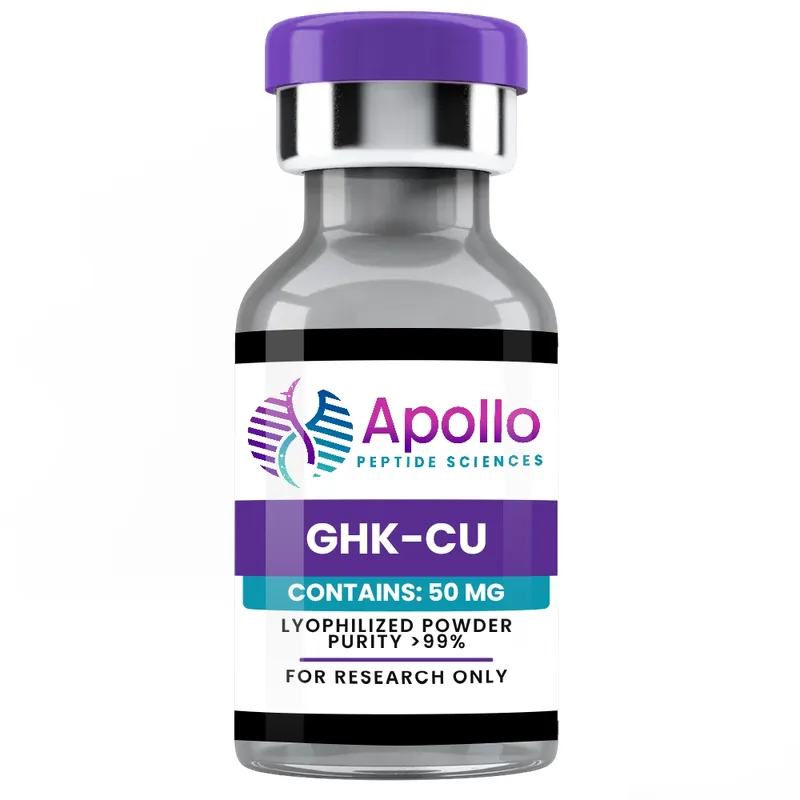
GHK-CU 50mg
A coordination complex featuring the tripeptide glycyl-L-histidyl-L-lysine bound to copper(II). Supplied for laboratory research applications.
CAS: 89030-95-5
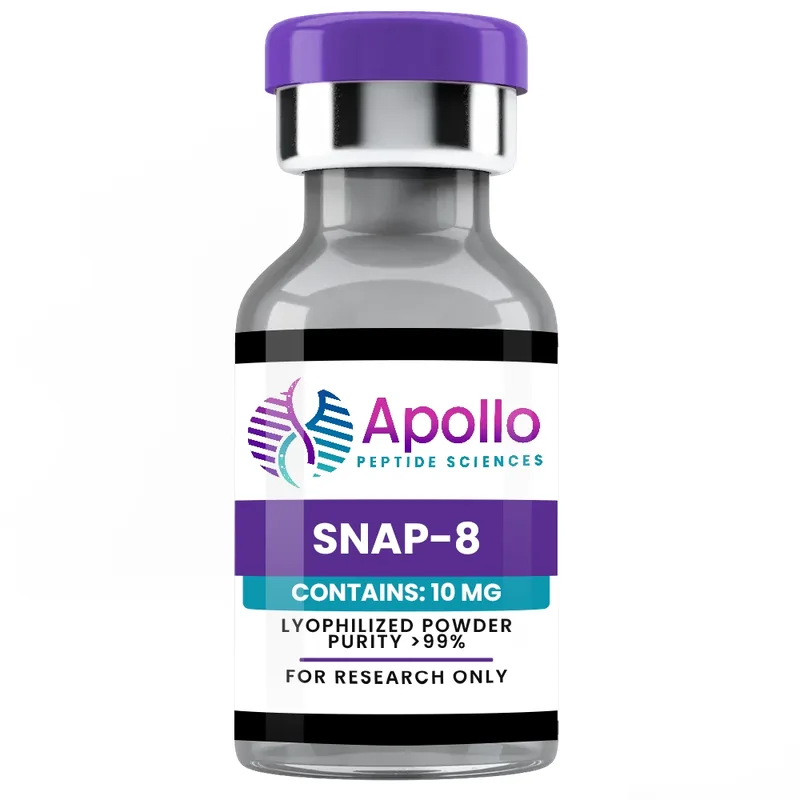
SNAP-8
SNAP-8 is a synthetic octapeptide supplied for laboratory and cosmetic research applications.
CAS: 868844-74-0
Looking for Clavicular's Looksmaxxing Stack?
See which peptides Clavicular uses in his viral looksmaxxing transformation — Retatrutide, BPC-157, and more.
Frequently Asked Questions
What makes women's looksmaxxing peptides different from men's protocols?
Women's looksmaxxing protocols contain no androgens or androgenic compounds. They are designed for a female hormonal environment where estrogen and progesterone govern fat distribution, skin collagen, and GLP-1 receptor sensitivity. The target outcomes differ too — feminine aesthetics prioritize skin luminosity, gut-skin health, and favorable fat redistribution rather than mass development.
What is the Venus Protocol?
The Venus Protocol is the leading women's looksmaxxing peptide stack, combining GHK-Cu (collagen and skin), Semaglutide (metabolic reshaping and fat redistribution), BPC-157 (gut healing and GI protection), and SNAP-8 (anti-aging and expression line reduction). It is designed as a non-androgenic, feminine-optimization protocol targeting the three core goals: metabolic optimization, skin glow, and gut healing.
How does GHK-Cu benefit women's skin specifically?
Women have naturally lower dermal collagen density than men (approximately 20% thinner dermis), and estrogen-dependent collagen loss accelerates in perimenopause. GHK-Cu stimulates fibroblast collagen synthesis, promotes glycosaminoglycan production, and modulates gene expression affecting over 32% of aging-related human genes. This makes GHK-Cu particularly impactful in female skin research, where the collagen baseline is lower and the response to stimulation may be more pronounced.
Can women use Semaglutide for looksmaxxing, or is it just for weight loss?
In the women's looksmaxxing context, Semaglutide is used for metabolic reshaping and fat redistribution, not just weight loss. Its fat-loss pattern in women tends to reduce central and visceral adiposity while preserving gynoid fat distribution — producing a defined waist-to-hip ratio consistent with feminine aesthetic goals. STEP trial data showed approximately 14-16% weight loss in women with favorable lean mass preservation. All peptides are for research purposes only.
Shop Women's Looksmaxxing
Research-grade women's looksmaxxing from Apollo Peptide Sciences. Third-party tested, >98% purity guaranteed.