Anti-Aging Peptides
Peptides investigated for their roles in cellular longevity, telomere maintenance, skin regeneration, and age-related decline.
Anti-Aging Peptides — Available Products
Research-grade compounds from Peptides Looksmaxxing. >98% purity, CoA on request.
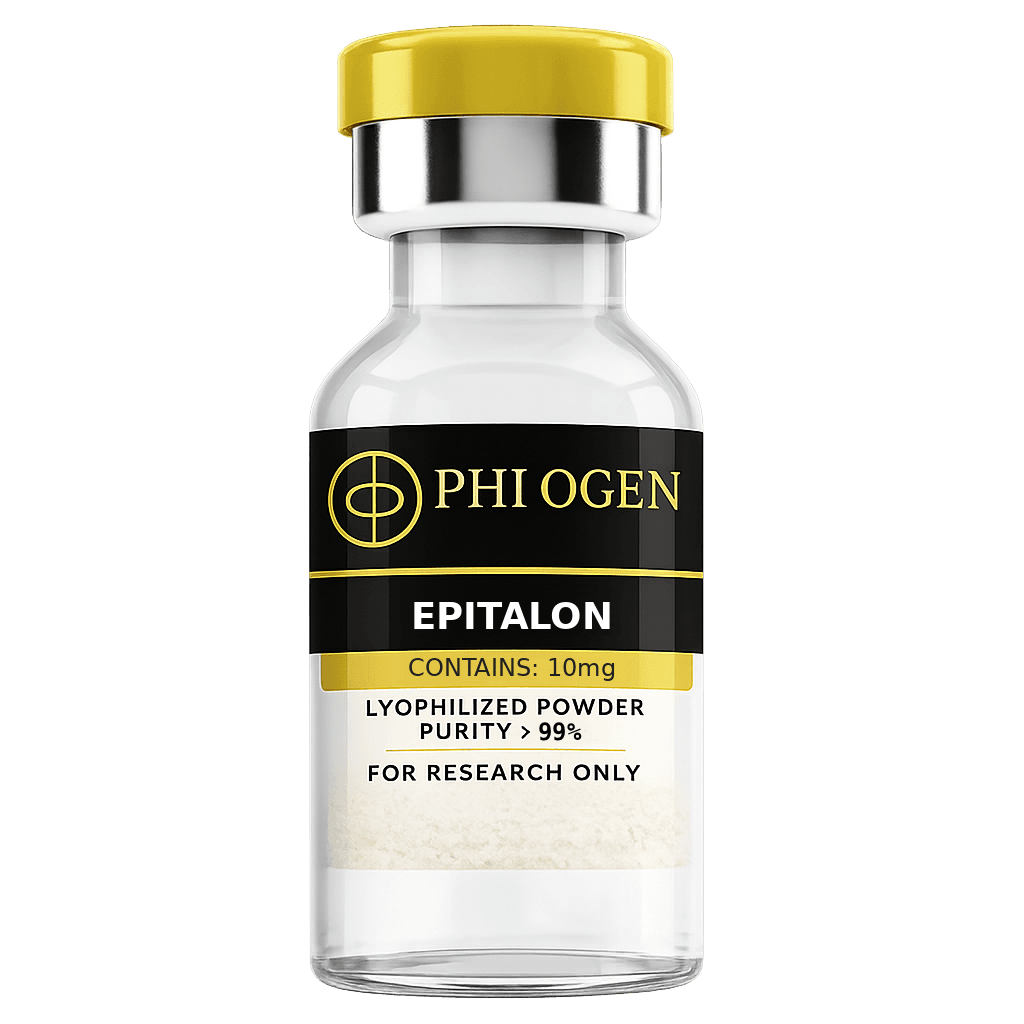
Epitalon
Buy Epitalon 10mg online — research-grade lyophilized peptide for laboratory use. Ala-Glu-Asp-Gly tetrapeptide. ≥98% HPLC purity verified.
CAS: 307297-39-8
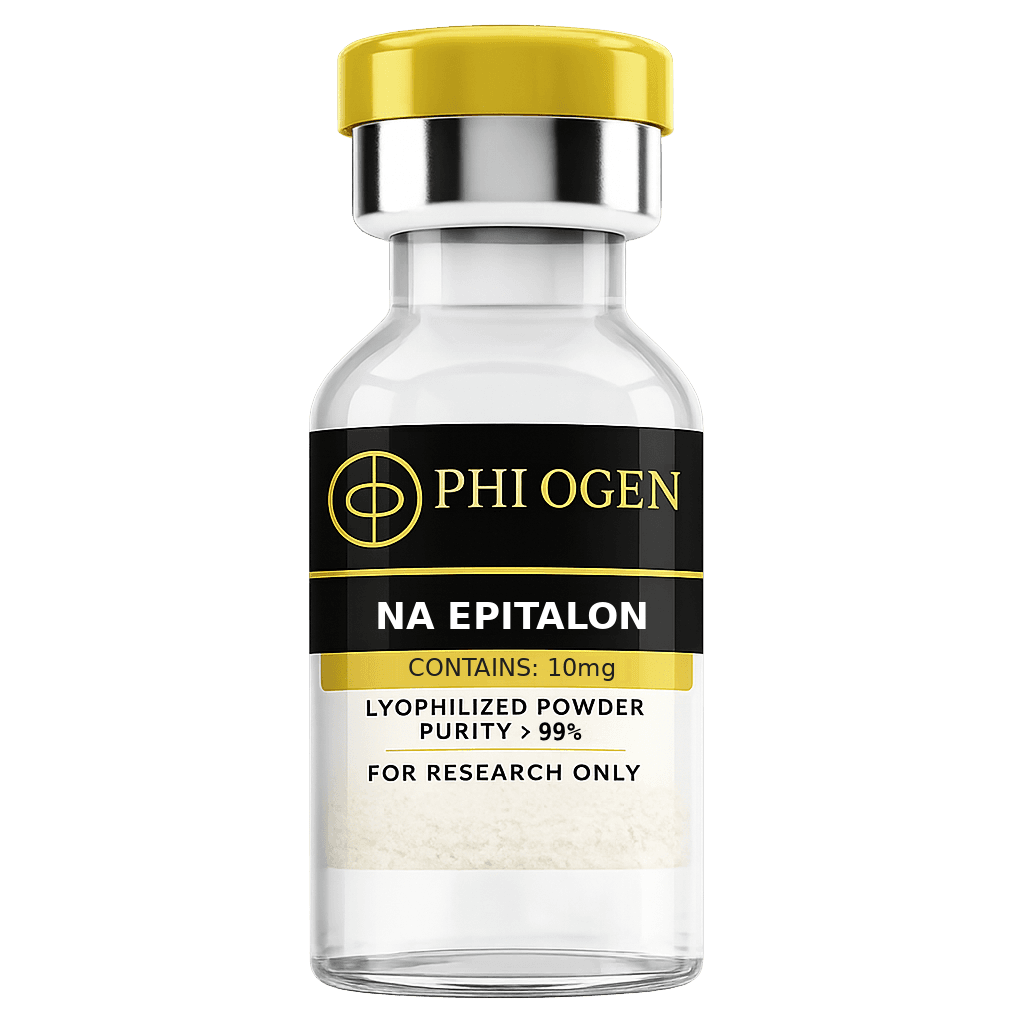
NA-Epitalon
Buy NA-Epitalon 10mg online — research-grade lyophilized peptide for laboratory use. N-Acetyl Epitalon Amidate. ≥98% HPLC purity verified.
CAS: 307297-39-8
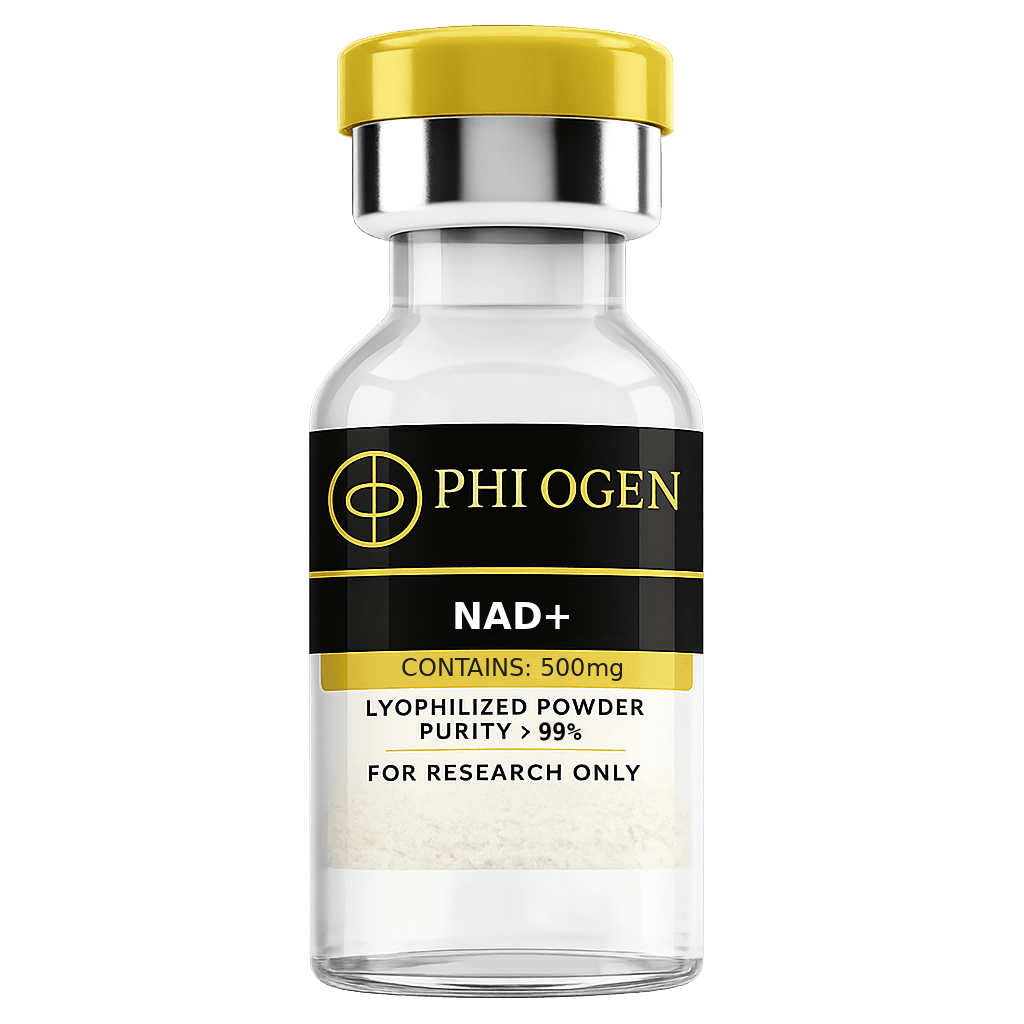
NAD+
Buy NAD+ 500mg online — research-grade lyophilized peptide for laboratory use. β-Nicotinamide adenine dinucleotide. ≥98% HPLC purity verified.
CAS: 53-84-9
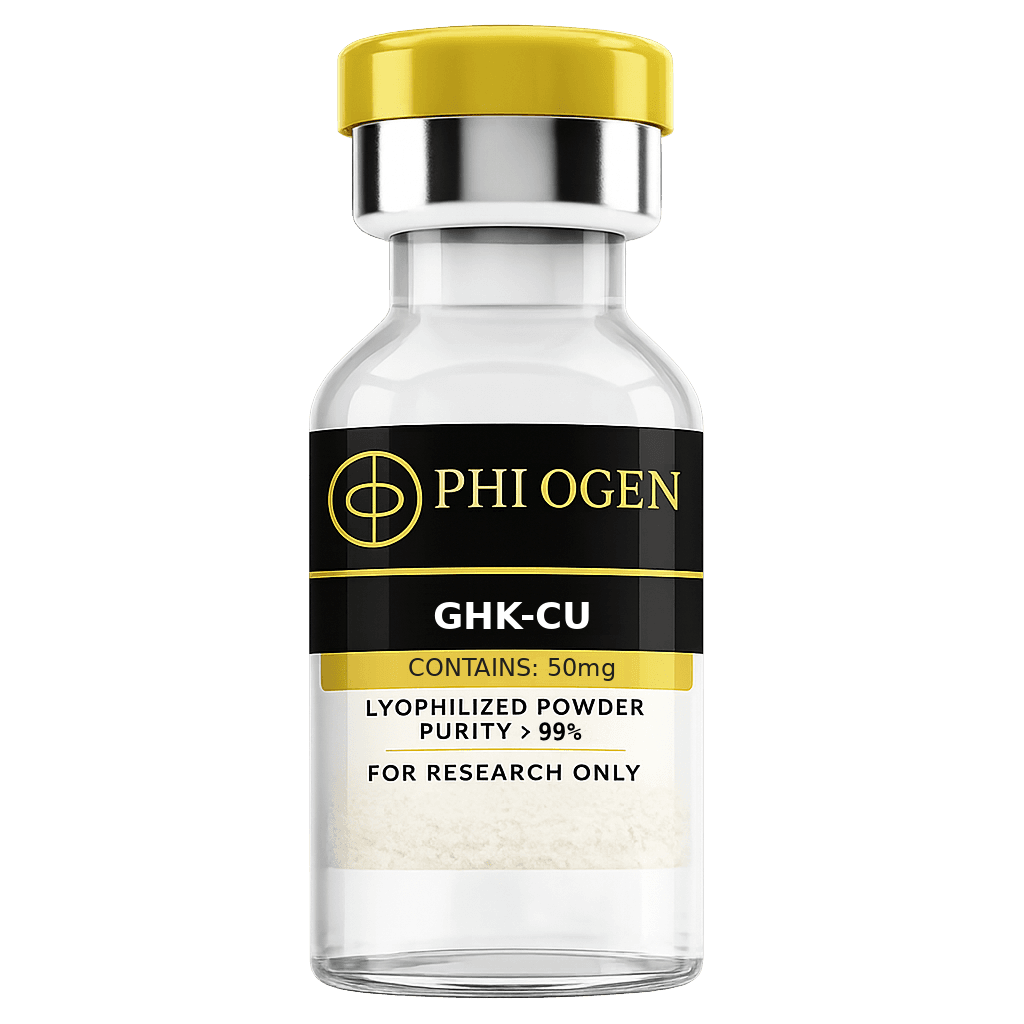
GHK-Cu
Buy GHK-Cu 50mg online — research-grade lyophilized peptide for laboratory use. Glycyl-L-histidyl-L-lysine copper complex. ≥98% HPLC purity verified.
CAS: 49557-75-7
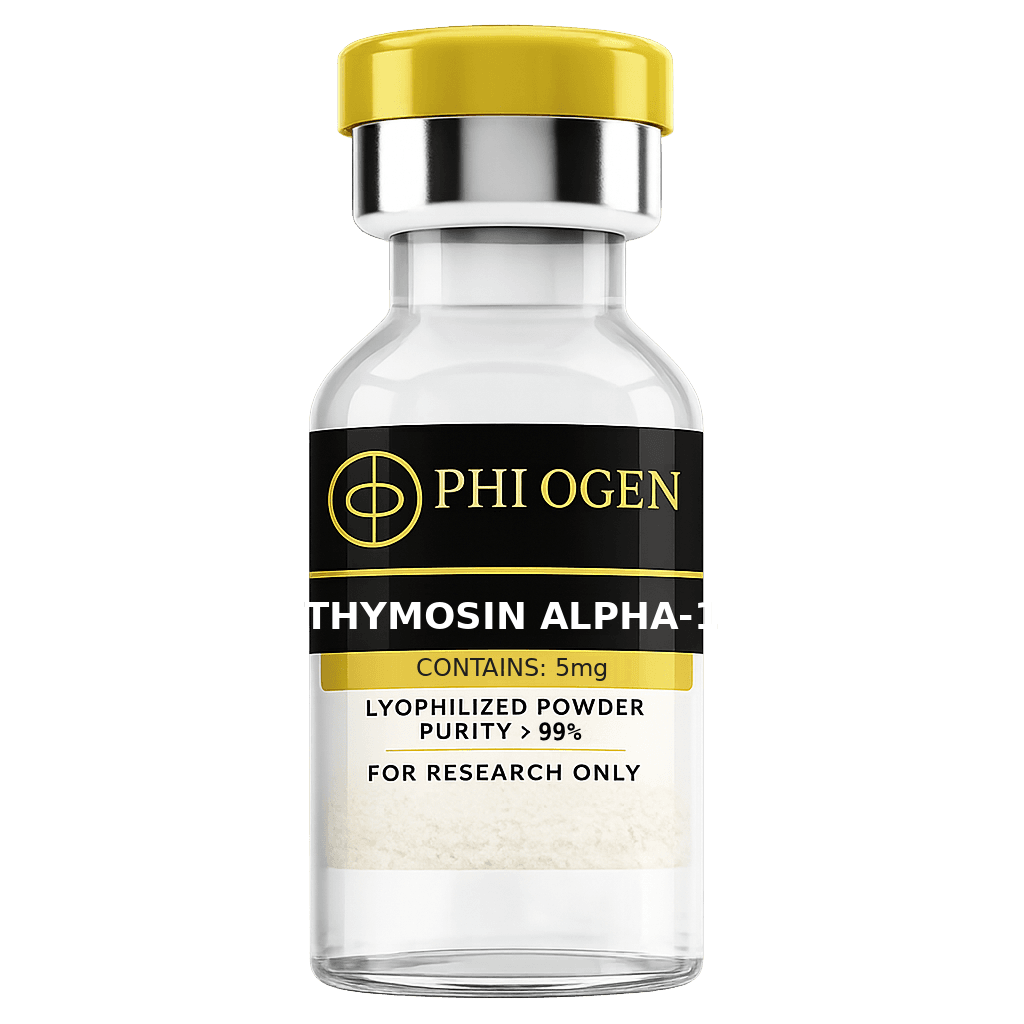
Thymosin Alpha-1
Buy Thymosin Alpha-1 5mg online — research-grade lyophilized peptide for laboratory use. Acetyl 28-amino-acid thymic peptide. ≥98% HPLC purity verified.
CAS: 62304-98-7
Research Context
Epithalon's role in telomere elongation via telomerase activation places it in a uniquely mechanistic tier of longevity research — distinct from NAD+ precursors or senolytics. The 39-year follow-up data published by Khavinson's group remains among the longest peptide longevity trials in the literature.
Mechanism Overview
Molecular mechanisms behind anti-aging peptides research
Telomerase Activation (Epithalon)
Epithalon (Ala-Glu-Asp-Gly) is the synthetic tetrapeptide analog of epithalamine, an extract from the pineal gland. Research shows it activates telomerase in somatic cells, extending telomere length. Khavinson's 50+ years of research document correlations with cellular longevity markers and epigenetic clock reversal.
Collagen Gene Upregulation (GHK-Cu)
GHK-Cu upregulates expression of collagen types I, III, and VI — the primary structural collagens of skin and connective tissue. Simultaneously activates MMPs to remove aged, cross-linked collagen, enabling organized new collagen deposition. Natural plasma GHK-Cu declines ~60% from age 20 to 60.
Cu-SOD Antioxidant Defense
Copper in GHK-Cu activates superoxide dismutase (Cu-SOD), the primary cellular defense against superoxide radical damage. This protects against UV-induced DNA damage, prevents oxidative collagen cross-linking, and reduces lipid peroxidation — addressing the oxidative stress component of cellular aging.
Anti-Aging Peptides: Research Overview
Aging research has identified several peptide compounds that interact with fundamental cellular processes including telomere maintenance, DNA repair, mitochondrial function, and extracellular matrix remodeling.
Key Peptides
Epithalon (Epitalon) Epithalon is a synthetic tetrapeptide (Ala-Glu-Asp-Gly) based on the natural peptide epithalamin produced by the pineal gland. Research by Dr. Vladimir Khavinson demonstrated that Epithalon activates telomerase, the enzyme responsible for maintaining telomere length. Telomere shortening is a hallmark of cellular aging, and telomerase activation has been associated with extended cellular lifespan in vitro studies.
GHK-Cu (Copper Peptide) GHK-Cu is a naturally occurring copper complex of the tripeptide glycyl-L-histidyl-L-lysine. First identified in human plasma by Dr. Loren Pickart, GHK-Cu levels decline significantly with age (from ~200 ng/mL at age 20 to ~80 ng/mL by age 60). Research has demonstrated its role in:
- Stimulating collagen and glycosaminoglycan synthesis
- Promoting angiogenesis and nerve outgrowth
- Possessing anti-inflammatory and antioxidant properties
- Activating wound healing and tissue remodeling genes
SNAP-8 SNAP-8 (Acetyl Glutamyl Heptapeptide-3) is a synthetic octapeptide researched for its effects on SNARE complex modulation. By interfering with the protein complex required for neurotransmitter release, it has been studied as a topical alternative to botulinum toxin for reducing expression lines.
Research Applications
- Telomere biology and cellular senescence
- Skin aging and collagen synthesis
- Mitochondrial function and NAD+ metabolism
- Wound healing and tissue remodeling
- Neuromuscular junction studies
Key Research
Published studies underpinning anti-aging peptides
Neuro Endocrinology Letters
Epithalon (AEDG tetrapeptide) activated telomerase in human fetal fibroblasts and extended telomere length. First demonstration of synthetic peptide-induced telomerase activation in human cells.
Khavinson V.K. et al.
Journal of Aging Research
Comprehensive review of GHK-Cu mechanisms — modulation of 4,000+ genes, collagen upregulation, wound healing acceleration, and skin remodeling. Plasma GHK-Cu declines ~60% from ages 20 to 60.
Pickart L. & Margolina A.
Bulletin of Experimental Biology and Medicine
Epithalon normalized melatonin secretion in elderly subjects with disrupted circadian rhythms and reduced incidence of carcinogen-induced mammary tumors in aged rodent models.
Khavinson V.K. et al.
Research-Grade Anti-Aging Peptides
>98% purity, third-party tested. Free shipping on orders over $200.
Investigated Combinations
Suggested compound combinations for anti-aging peptides research
Longevity Core Stack
Epithalon activates telomerase (epigenetic clock); GHK-Cu remodels collagen and skin (visible aging); NAD+ restores sirtuin enzyme function (cellular energy & DNA repair). Three non-overlapping anti-aging pathways.
Skin Remodeling Protocol
GHK-Cu as standalone for collagen upregulation, MMP-mediated remodeling, and VEGF-driven skin luminosity. Most cost-effective entry into anti-aging research — visible outcomes at $50/cycle.
Related Research
Articles and breakdowns for anti-aging peptides
Looking for Clavicular's Looksmaxxing Stack?
See which peptides Clavicular uses in his viral looksmaxxing transformation — Retatrutide, BPC-157, and more.
Frequently Asked Questions
How does Epithalon affect telomeres?
Epithalon has been shown in research to activate telomerase, the enzyme that adds telomeric repeats to chromosome ends. By maintaining telomere length, it may help extend cellular replicative capacity.
What is GHK-Cu used for in research?
GHK-Cu is studied for its roles in wound healing, collagen synthesis, anti-inflammatory activity, and tissue remodeling. It naturally declines with age and is a focus of regenerative medicine research.
Why does NAD+ matter for aging research?
NAD+ is essential for sirtuin and PARP enzyme activity, which regulate DNA repair and cellular stress responses. NAD+ levels decline significantly with age, making it a key target in longevity research.
Shop Anti-Aging Peptides
Research-grade anti-aging peptides from Peptides Looksmaxxing. Third-party tested, >98% purity guaranteed.