Hair Growth Peptides
Peptides studied for their effects on hair follicle biology, stem cell activation, and hair growth pathways.
Shop Hair Growth Peptides Compounds
Research-grade compounds from Peptides Looksmaxxing. >98% purity, CoA on request.
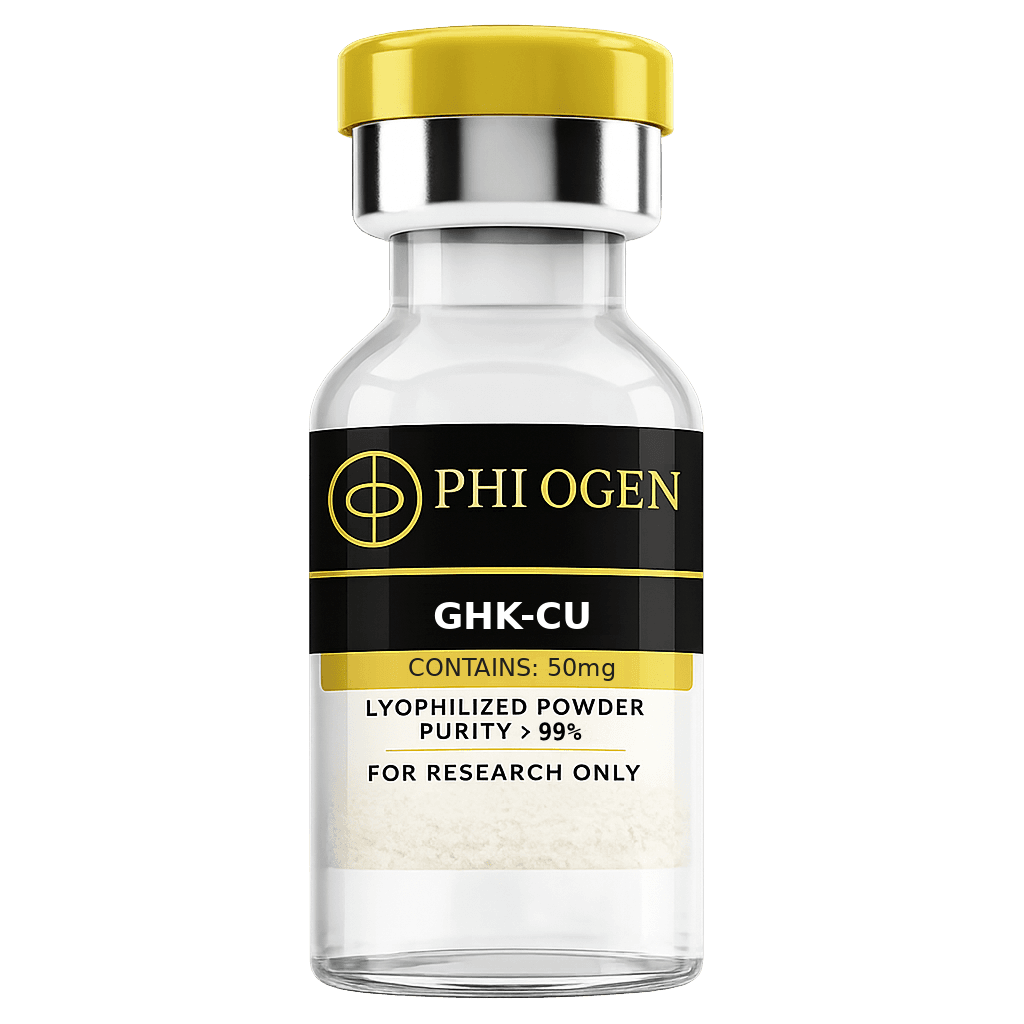
GHK-Cu
Buy GHK-Cu 50mg online — research-grade lyophilized peptide for laboratory use. Glycyl-L-histidyl-L-lysine copper complex. ≥98% HPLC purity verified.
CAS: 49557-75-7
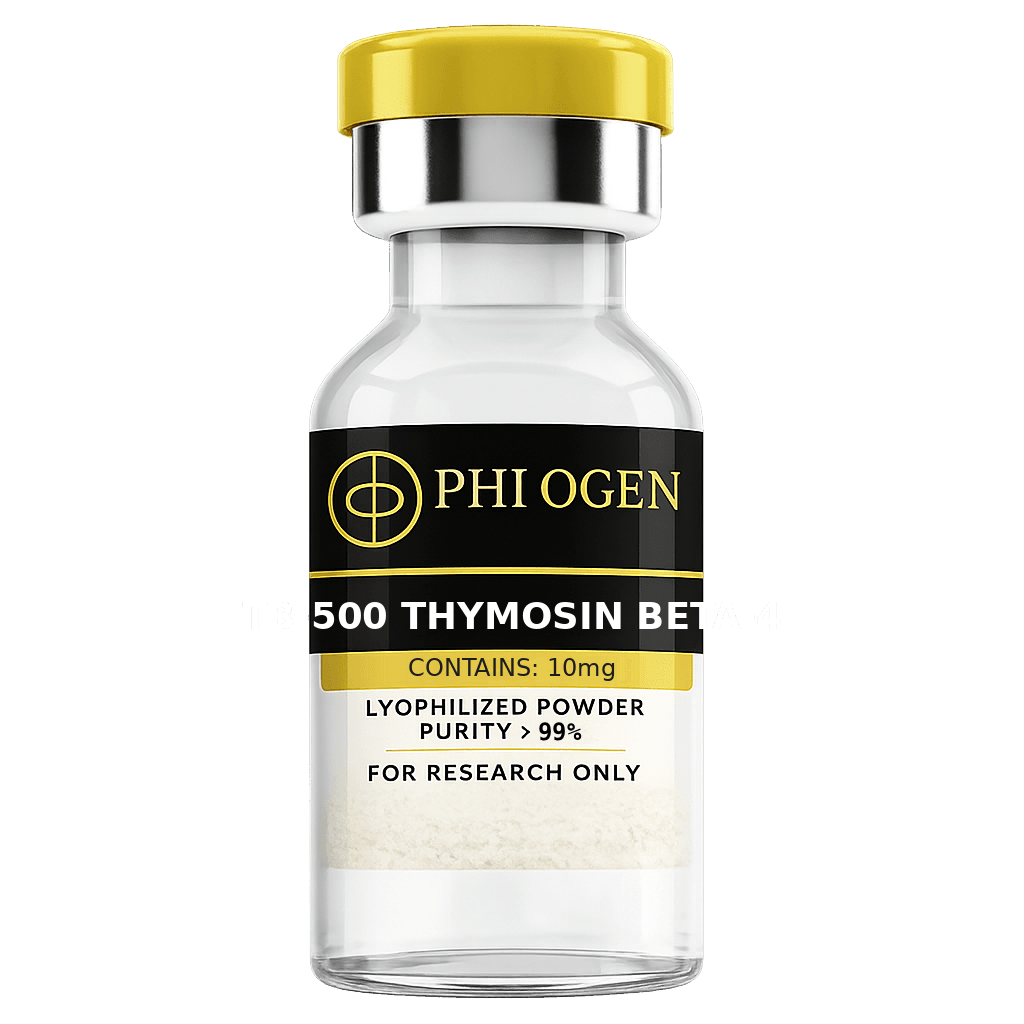
TB-500 (Thymosin Beta-4)
Buy TB-500 (Thymosin Beta-4) 10mg online — research-grade lyophilized peptide for laboratory use. Thymosin Beta-4 fragment (Ac-LKKTETQ active region). ≥98% HPLC purity verified.
CAS: 77591-33-4
Research Context
GHK-Cu's mechanism in hair research centers on its ability to upregulate genes associated with follicle cycling — specifically extending the anagen phase at the cellular level. Unlike topical minoxidil, which acts primarily on potassium channels, GHK-Cu operates through chromatin remodeling, giving it a distinct biological profile.
How It Works
Molecular mechanisms behind hair growth peptides research
Follicle VEGF Upregulation (GHK-Cu)
GHK-Cu upregulates VEGF in follicle dermal papilla cells, improving vascular supply to hair follicles. Increased perfusion supports the anagen (growth) phase. Published fibroblast studies show normalized follicle size from vellus to terminal in alopecia models, and reduced DHT-induced miniaturization markers.
Follicle Stem Cell Migration (TB-500)
Philp et al. (FASEB J, 2004) demonstrated that Thymosin Beta-4 promotes hair follicle stem cell migration — a key step in follicle cycling and hair regrowth. TB-500's G-actin sequestration enables stem cell motility into the dermal papilla, initiating follicle re-entry into the active growth cycle.
Collagen Remodeling in Scalp Dermis
GHK-Cu activates MMPs to remove disorganized dermal collagen in the scalp while simultaneously upregulating new collagen gene expression. Organized collagen in the perifollicular matrix is associated with healthy follicle anchoring and growth cycle consistency.
Compound Stacks
Suggested compound combinations for hair growth peptides research
Follicle Activation Stack
GHK-Cu upregulates VEGF in dermal papilla for follicle vascularization; TB-500 promotes follicle stem cell migration via G-actin sequestration. Two non-overlapping mechanisms targeting different phases of the hair growth cycle.
Collagen + Hair Stack
GHK-Cu standalone for both scalp collagen remodeling and VEGF-mediated follicle perfusion improvement. Most evidence for hair follicle-specific effects — best entry point for hair biology research.
Hair Growth Peptides: Research Overview
Hair follicle biology research has identified several peptides that interact with hair growth pathways, including stem cell activation, growth factor signaling, and dermal papilla cell function.
Key Peptides
GHK-Cu (Copper Peptide) GHK-Cu has been studied for its effects on hair follicle biology. Research demonstrates that it:
- Stimulates dermal papilla cells
- Promotes hair follicle enlargement
- Increases the anagen (growth) phase duration
- Supports blood vessel formation around follicles
- Modulates gene expression related to hair growth
Research Applications
- Hair follicle stem cell biology
- Dermal papilla cell signaling
- Angiogenesis in hair follicle microenvironment
- Growth factor expression in scalp tissue
- Hair cycle regulation studies
Research-Grade Hair Growth Peptides
>98% purity, third-party tested. Free shipping on orders over $200.
Published Evidence
Published studies underpinning hair growth peptides
FASEB Journal
Thymosin Beta-4 topical application in mice activated dormant follicle stem cells, induced migration to the dermal papilla, and initiated new hair follicle growth — first demonstration of TB4-driven hair follicle cycling.
Philp D. et al.
Skin Pharmacology and Physiology
GHK-Cu topical application increased follicle density and hair diameter in androgenic alopecia research models. VEGF upregulation in dermal papilla identified as primary mechanism for improved follicle vascularization.
Pickart L. et al.
Biochemical and Biophysical Research Communications
Early characterization of GHK-Cu as a potent stimulator of collagen synthesis in dermal fibroblasts — establishing the copper peptide as a cell biology tool for studying extracellular matrix regulation.
Rubin A.L. et al.
Related Research
Articles and breakdowns for hair growth peptides
Looking for Clavicular's Looksmaxxing Stack?
See which peptides Clavicular uses in his viral looksmaxxing transformation — Retatrutide, BPC-157, and more.
Common Questions
How does GHK-Cu affect hair follicles?
GHK-Cu stimulates dermal papilla cells, promotes follicle enlargement, extends the anagen (growth) phase, and supports blood vessel formation around follicles. It naturally declines with age.
What is the connection between TB-500 and hair growth?
Thymosin beta-4, the parent protein of TB-500, has been identified as a key activator of hair follicle stem cells. Research has demonstrated its role in promoting hair follicle stem cell migration and hair growth.
Shop Hair Growth Peptides
Research-grade hair growth peptides from Peptides Looksmaxxing. Third-party tested, >98% purity guaranteed.