Muscle Growth Peptides
Peptides researched for their potential roles in muscle protein synthesis, growth hormone release, and tissue development.
Muscle Growth Peptides Research Catalog
Research-grade compounds from Peptides Looksmaxxing. >98% purity, CoA on request.
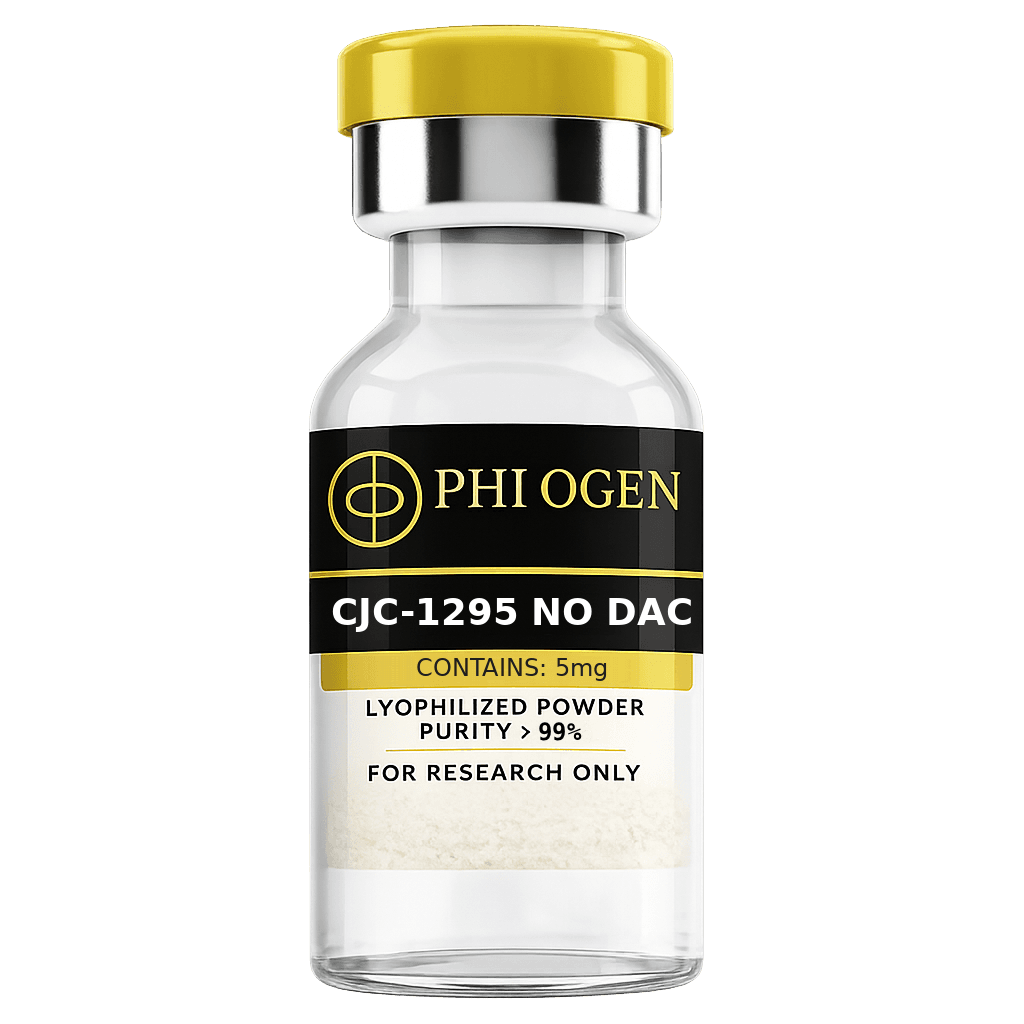
CJC-1295 No DAC
Buy CJC-1295 No DAC 5mg online — research-grade lyophilized peptide for laboratory use. GHRH analog with Drug Affinity Complex modification. ≥98% HPLC purity verified.
CAS: 863288-34-0
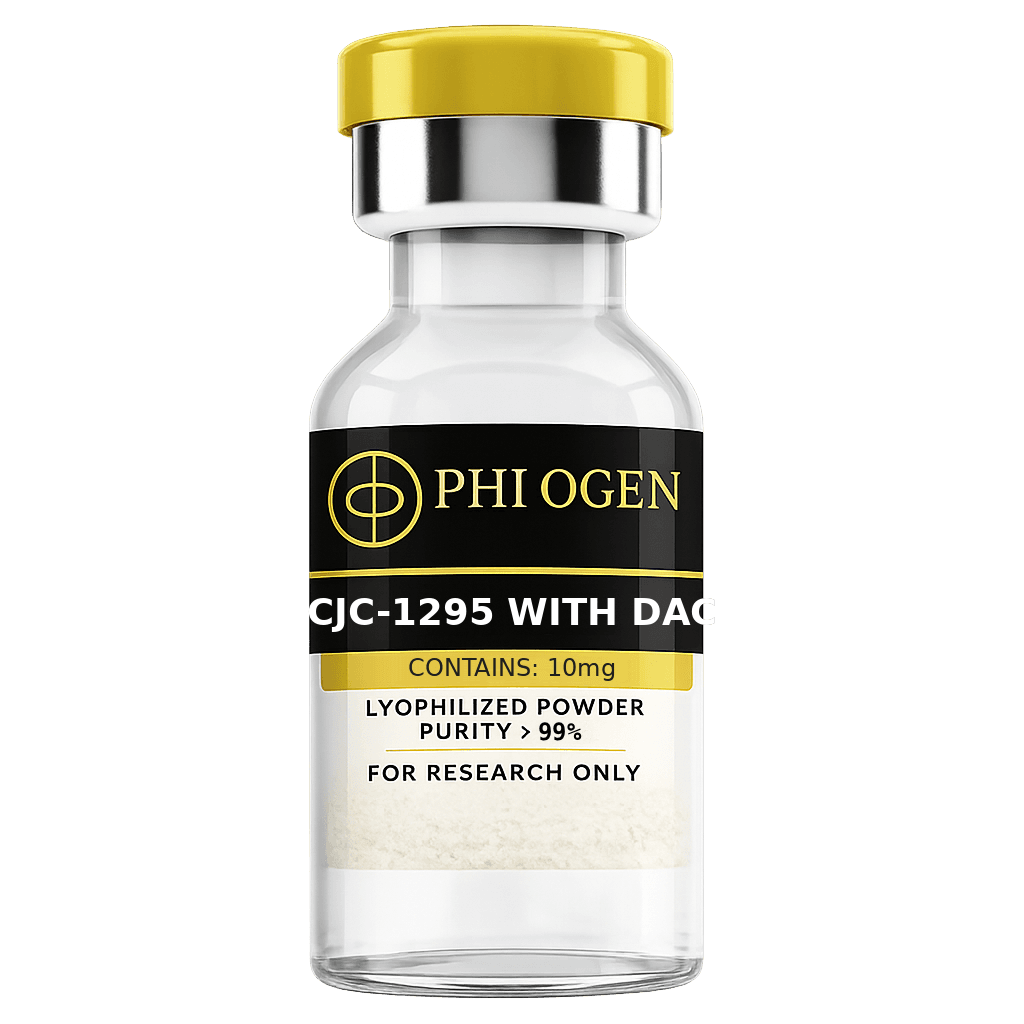
CJC-1295 with DAC
Buy CJC-1295 with DAC 10mg online — research-grade lyophilized peptide for laboratory use. GHRH analog with Drug Affinity Complex modification. ≥98% HPLC purity verified.
CAS: 863288-34-0
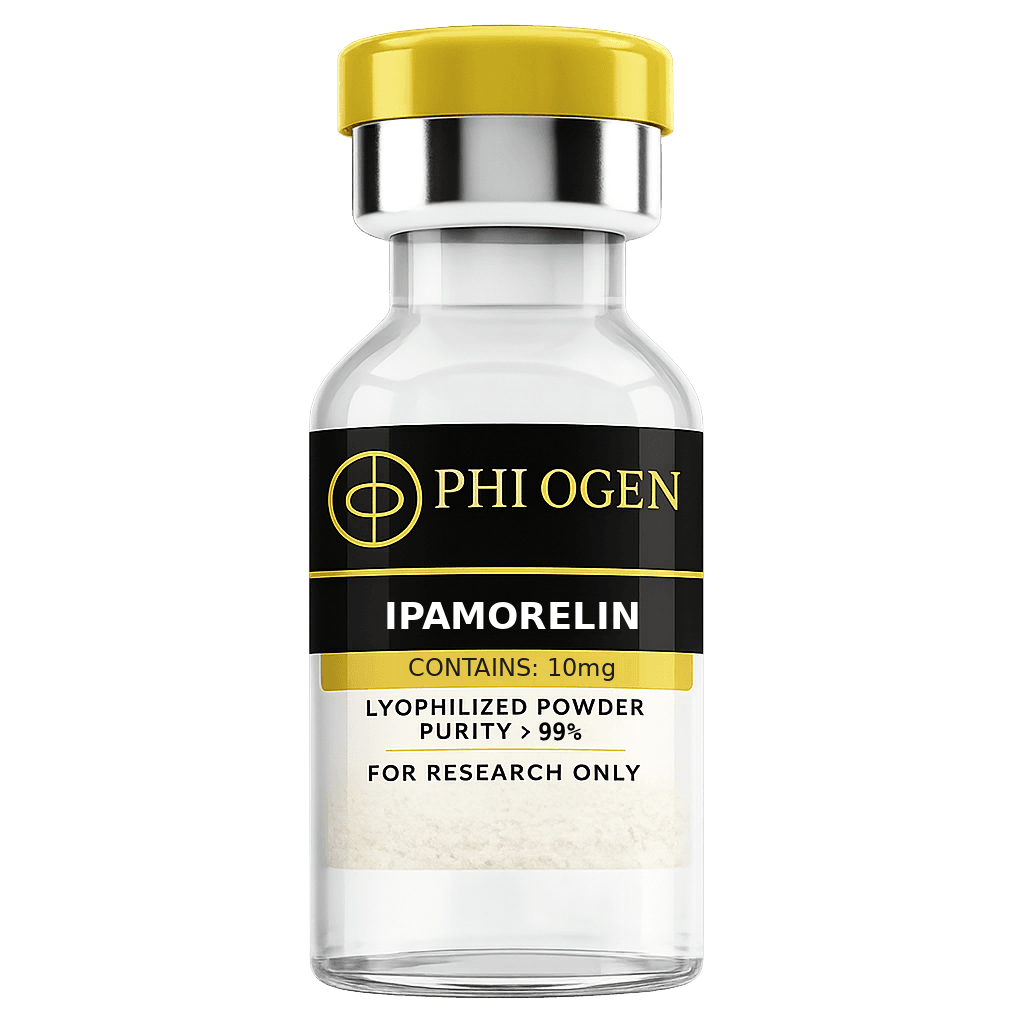
Ipamorelin
Buy Ipamorelin 10mg online — research-grade lyophilized peptide for laboratory use. Aib-His-D-2-Nal-D-Phe-Lys-NH2. ≥98% HPLC purity verified.
CAS: 170851-70-4
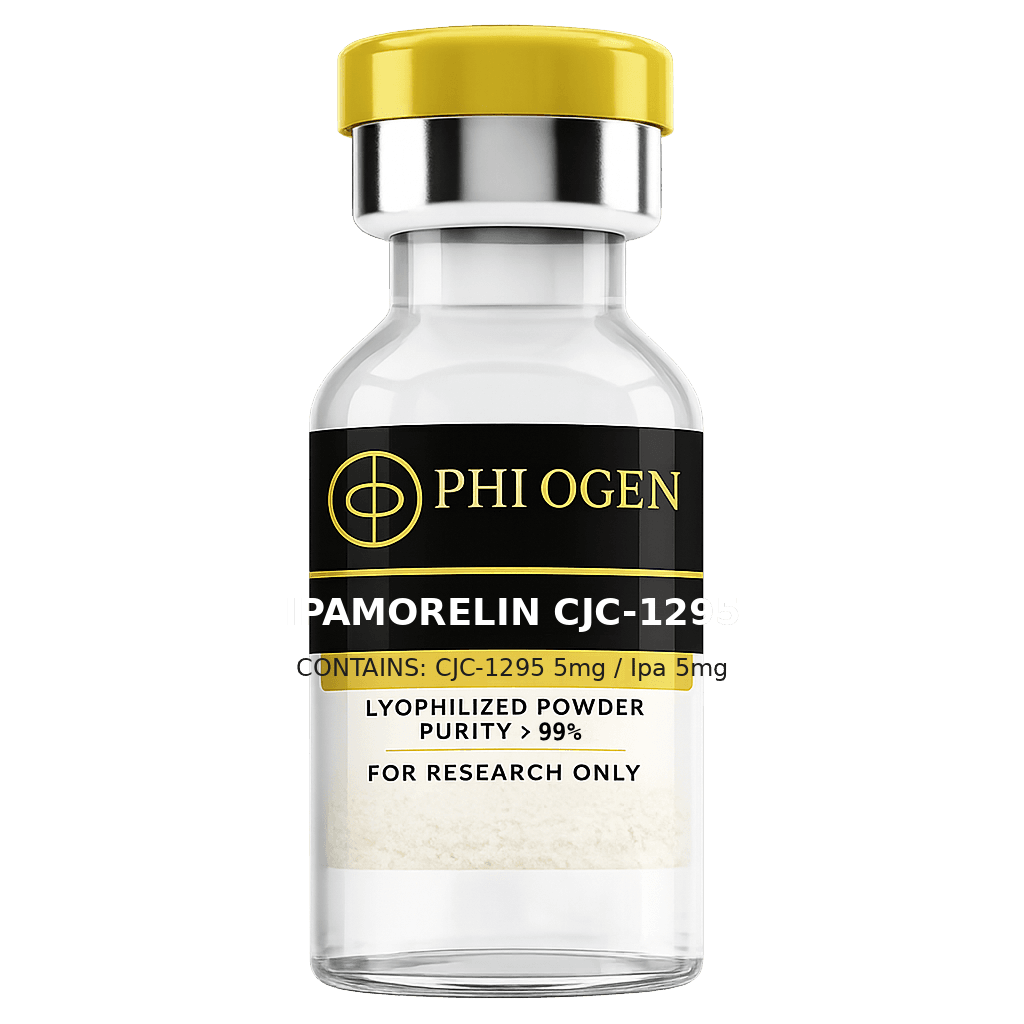
Ipamorelin/CJC-1295 Blend
Buy Ipamorelin/CJC-1295 Blend 10mg online — research-grade lyophilized peptide for laboratory use. Aib-His-D-2-Nal-D-Phe-Lys-NH2. ≥98% HPLC purity verified.
CAS: 170851-70-4
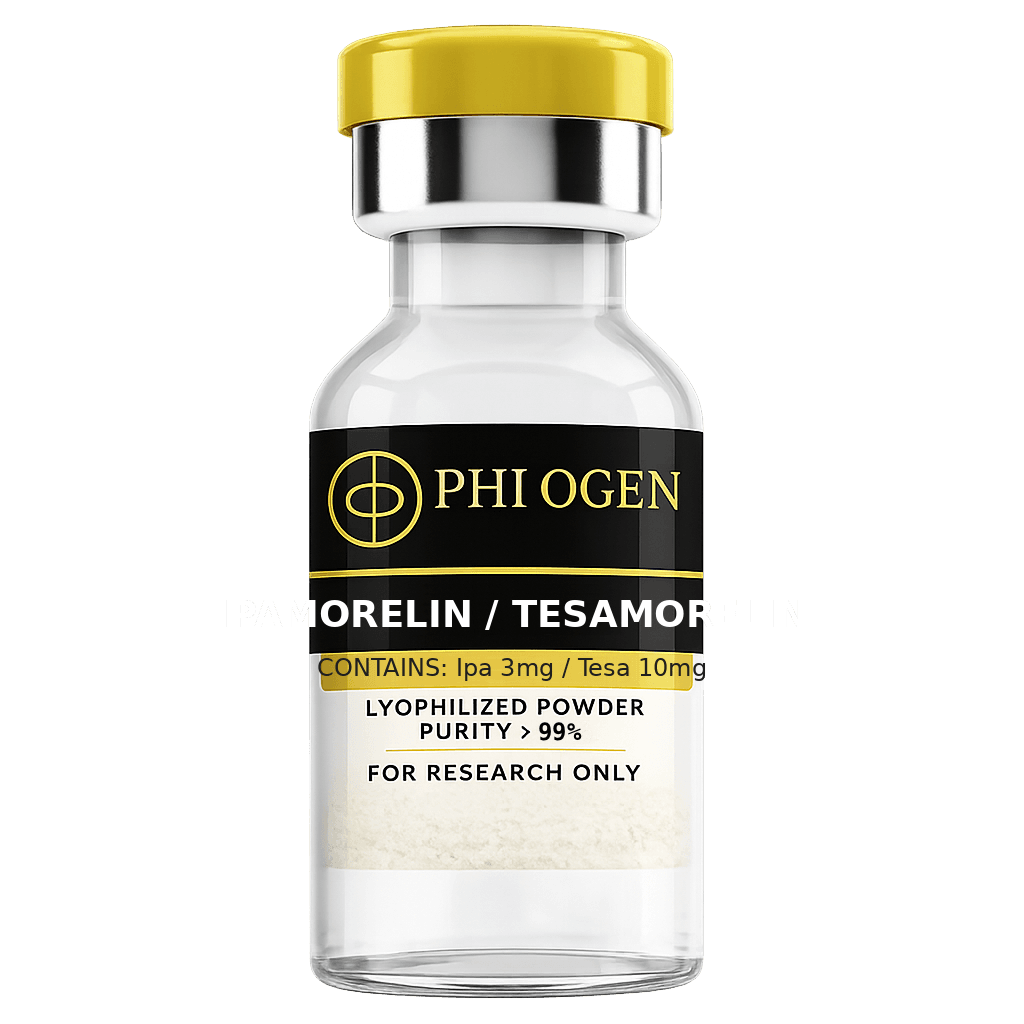
Ipamorelin/Tesamorelin Blend
Buy Ipamorelin/Tesamorelin Blend 13mg online — research-grade lyophilized peptide for laboratory use. Trans-3-hexenoyl-GHRH(1-44)-NH2. ≥98% HPLC purity verified.
CAS: 218949-48-5
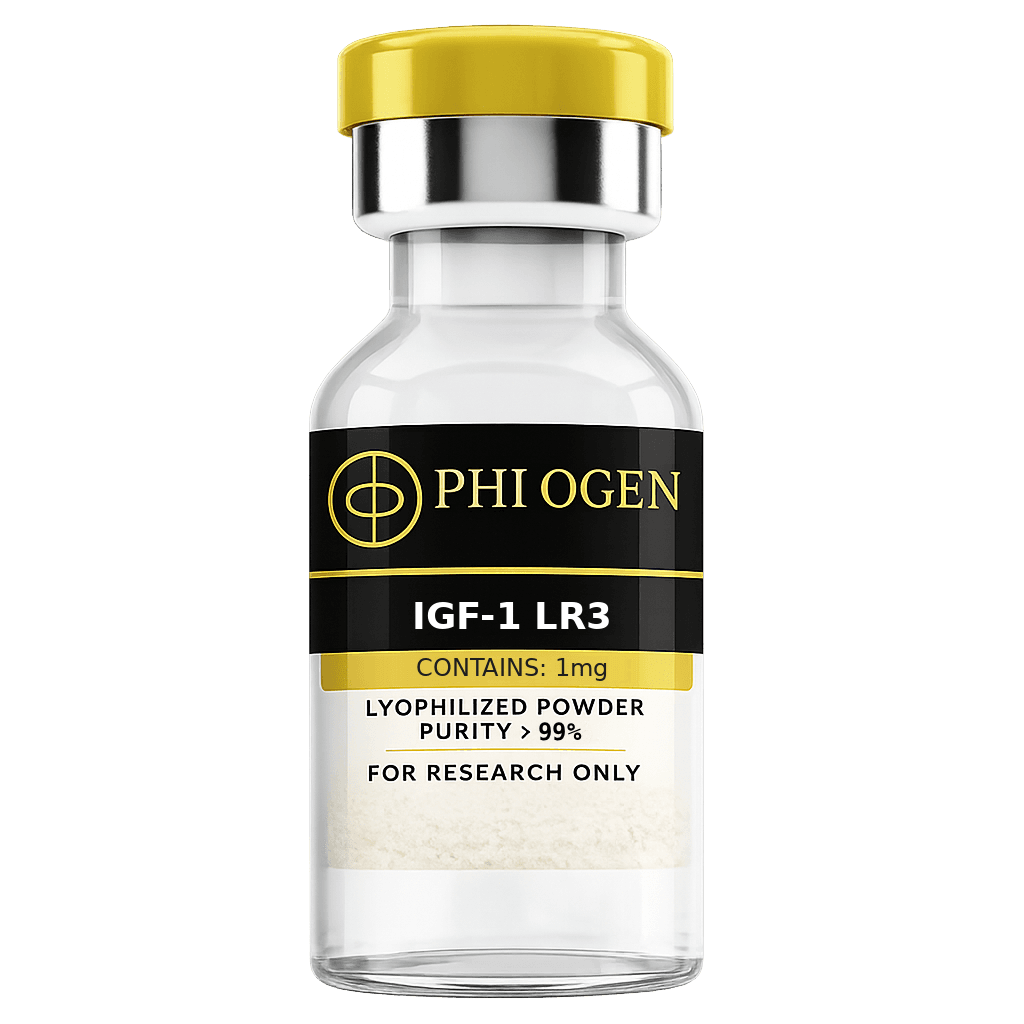
IGF-1 LR3
Buy IGF-1 LR3 1mg online — research-grade lyophilized peptide for laboratory use. Long Arg3 Insulin-like Growth Factor-1. ≥98% HPLC purity verified.
CAS: 946870-92-4
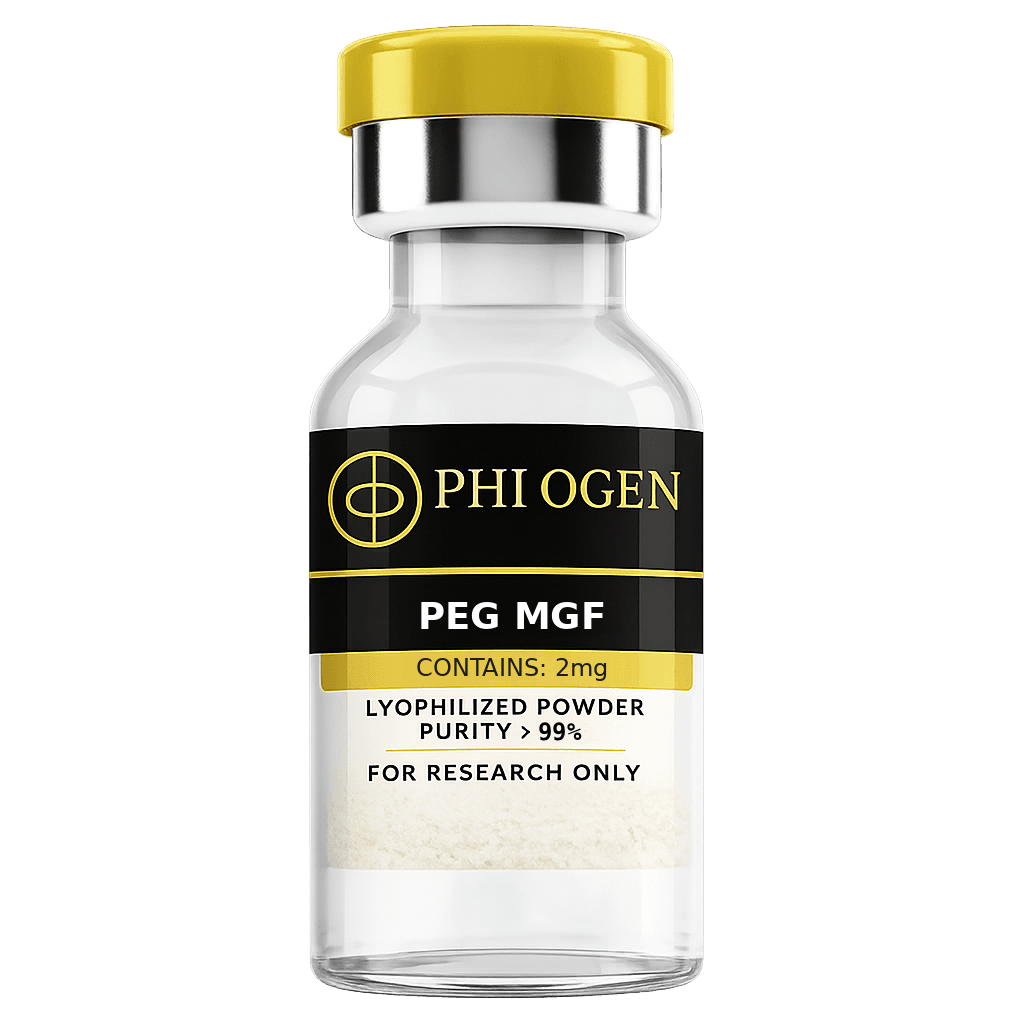
PEG-MGF
Buy PEG-MGF 2mg online — research-grade lyophilized peptide for laboratory use. Pegylated Mechano Growth Factor (IGF-1Ec). ≥98% HPLC purity verified.
CAS: 221231-10-3
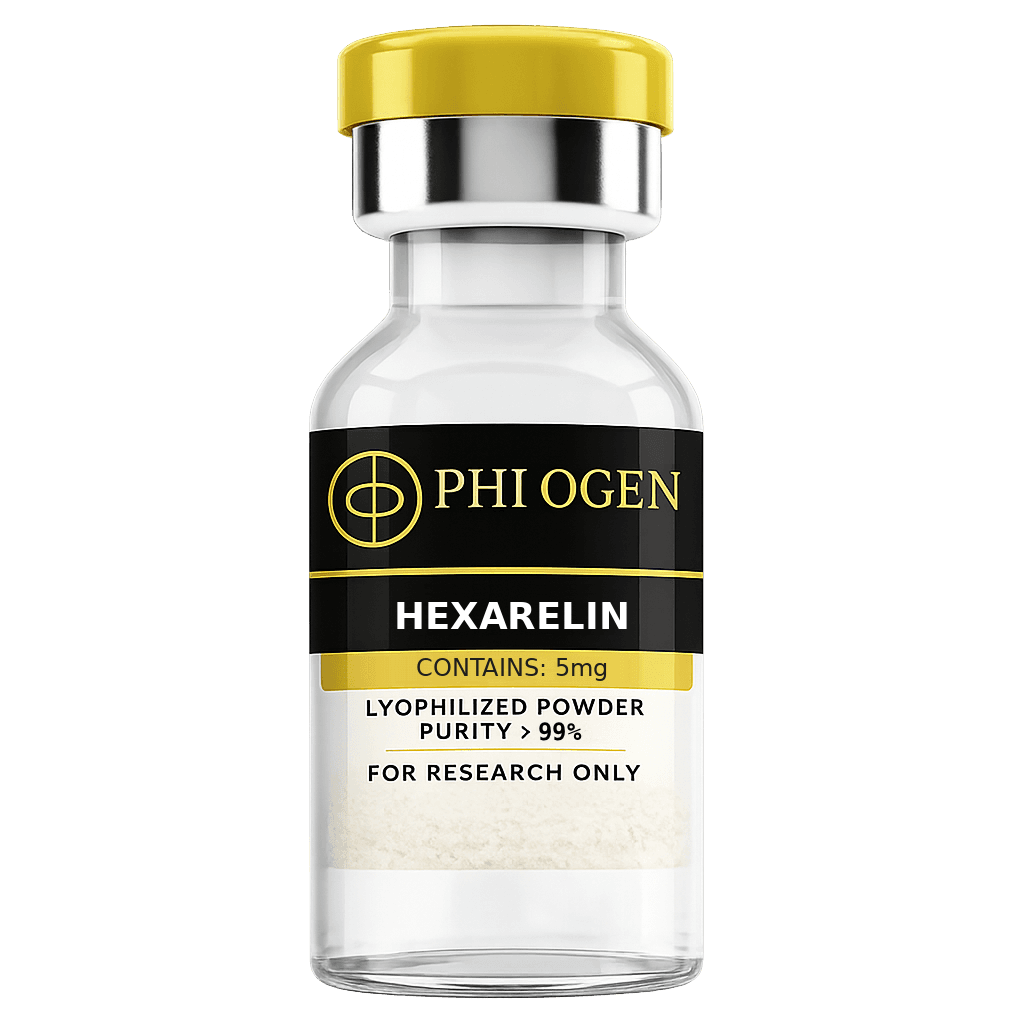
Hexarelin
Buy Hexarelin 5mg online — research-grade lyophilized peptide for laboratory use. His-D-2-methyl-Trp-Ala-Trp-D-Phe-Lys-NH2. ≥98% HPLC purity verified.
CAS: 140703-51-1
Underlying Biology
Molecular mechanisms behind muscle growth peptides research
GHRH Receptor Stimulation (CJC-1295)
CJC-1295 binds and activates GHRH receptors on anterior pituitary somatotrophs, triggering pulsatile GH secretion. The DAC version uses a drug affinity complex to bind albumin, extending half-life to 6–8 days and sustaining elevated GH and downstream IGF-1 for 9–11 days post-injection.
IGF-1 Receptor Signaling (IGF-1 LR3)
IGF-1 LR3 binds IGF-1 receptors with reduced affinity for binding proteins, extending plasma half-life to 20–30 hours vs minutes for native IGF-1. Downstream PI3K/Akt/mTOR activation drives protein synthesis, satellite cell proliferation, and anti-apoptotic signaling in muscle tissue.
Ghrelin Receptor Synergy (Ipamorelin)
Ipamorelin selectively activates the ghrelin receptor (GHSR-1a) to stimulate GH release with minimal cortisol or prolactin side effects. Combined with CJC-1295 (GHRH analog), the result is a synergistic pulsatile GH release that mimics the natural nocturnal GH surge.
Research Context
BPC-157 and TB-500 represent a new paradigm in anabolic support research — not by directly stimulating muscle protein synthesis, but by optimizing the connective tissue and vascular environment that enables it. Researchers pair these with GH secretagogues to study the synergy between repair capacity and growth signaling.
Muscle Growth Peptides: Research Overview
Growth hormone secretagogues (GHS) and insulin-like growth factor analogs are among the most studied peptides in muscle physiology research. These compounds interact with the GH/IGF-1 axis, a critical pathway in muscle protein synthesis and tissue growth.
Mechanism of Action
Growth Hormone Releasing Peptides GHRH analogs like CJC-1295 stimulate the pituitary gland to produce and release growth hormone through the GHRH receptor pathway. When combined with ghrelin mimetics like Ipamorelin, the synergistic effect amplifies GH pulse amplitude while maintaining the natural pulsatile release pattern.
IGF-1 Pathway IGF-1 LR3 is a modified form of insulin-like growth factor-1 with an extended half-life due to its arginine substitution at position 3 and 13-amino-acid N-terminal extension. It binds to the IGF-1 receptor to activate the PI3K/Akt/mTOR signaling cascade, which is central to muscle protein synthesis.
Key Peptides
CJC-1295/Ipamorelin This combination represents a synergistic approach to growth hormone research. CJC-1295 (a GHRH analog) provides sustained GH release while Ipamorelin (a selective ghrelin receptor agonist) amplifies GH pulses without significantly affecting cortisol or prolactin levels.
IGF-1 LR3 Long R3 IGF-1 has a significantly reduced binding affinity for IGF binding proteins, resulting in greater bioavailability compared to native IGF-1. Research focuses on its role in myoblast proliferation and differentiation.
Research Applications
- Muscle protein synthesis pathways
- Growth hormone pulsatility studies
- Satellite cell activation research
- Muscle wasting/sarcopenia models
- Recovery and regeneration studies
Compound Stacks
Suggested compound combinations for muscle growth peptides research
GH Pulse Stack
GHRH analog + selective GHSR-1a agonist. Synergistic amplification of the pulsatile GH release — CJC stimulates GHRH receptors, Ipa triggers ghrelin receptors simultaneously. Best-timing: 30 min before sleep.
Sustained IGF-1 Stack
Weekly CJC-1295 DAC (6–8 day half-life) sustains GH elevation. IGF-1 LR3 provides direct downstream IGF-1 receptor activation with 20–30 hour half-life — comprehensive GH/IGF-1 axis stimulation.
Research-Grade Muscle Growth Peptides
>98% purity, third-party tested. Free shipping on orders over $200.
Published Evidence
Published studies underpinning muscle growth peptides
Teichman S.L. et al.
CJC-1295 produced dose-dependent increases in plasma GH (2–10x) and IGF-1 (1.5–3x) in healthy adults. GH elevation sustained for 6+ days and IGF-1 for 9–11 days post single injection.
Baxter R.C.
IGF-1 LR3 (Long Arg3 IGF-1) demonstrated reduced binding to IGF binding proteins, extending half-life to 20–30 hours vs. minutes for native IGF-1, with maintained receptor binding affinity.
Raun K. et al.
Ipamorelin demonstrated highly selective GH-releasing activity via ghrelin receptor with minimal prolactin, cortisol, or ACTH elevation — establishing it as the cleanest GH secretagogue for research use.
Related Research
Articles and breakdowns for muscle growth peptides
Looking for Clavicular's Looksmaxxing Stack?
See which peptides Clavicular uses in his viral looksmaxxing transformation — Retatrutide, BPC-157, and more.
What Researchers Ask
What is the GH/IGF-1 axis?+
The GH/IGF-1 axis refers to the signaling pathway where growth hormone released from the pituitary stimulates IGF-1 production in the liver and local tissues. This axis is central to growth, metabolism, and tissue repair.
How do CJC-1295 and Ipamorelin work together?+
CJC-1295 is a GHRH analog that stimulates growth hormone release, while Ipamorelin is a ghrelin mimetic that amplifies GH pulses. Together, they produce synergistic GH elevation while maintaining natural pulsatile patterns.
What makes IGF-1 LR3 different from regular IGF-1?+
IGF-1 LR3 has an arginine substitution at position 3 and a 13-amino-acid N-terminal extension, which reduces binding to IGF binding proteins. This results in greater bioavailability and a longer half-life than native IGF-1.
Shop Muscle Growth Peptides
Research-grade muscle growth peptides from Peptides Looksmaxxing. Third-party tested, >98% purity guaranteed.