Healing & Recovery Peptides
Peptides studied for tissue repair, injury recovery, and regenerative processes in research settings.
Shop Healing & Recovery Peptides Compounds
Research-grade compounds from Peptides Looksmaxxing. >98% purity, CoA on request.
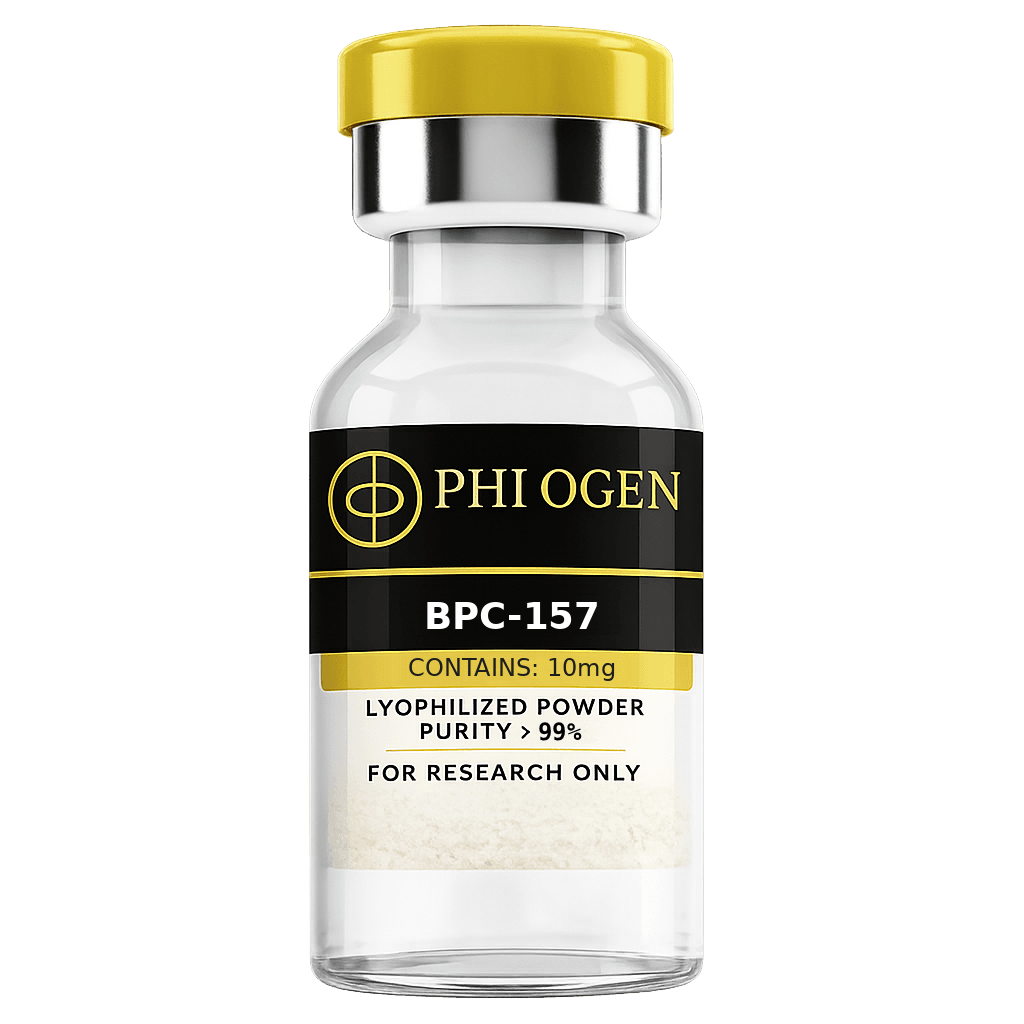
BPC-157
Buy BPC-157 10mg online — research-grade lyophilized peptide for laboratory use. Body Protection Compound-157 (15-amino-acid pentadecapeptide). ≥98% HPLC purity verified.
CAS: 137525-51-0
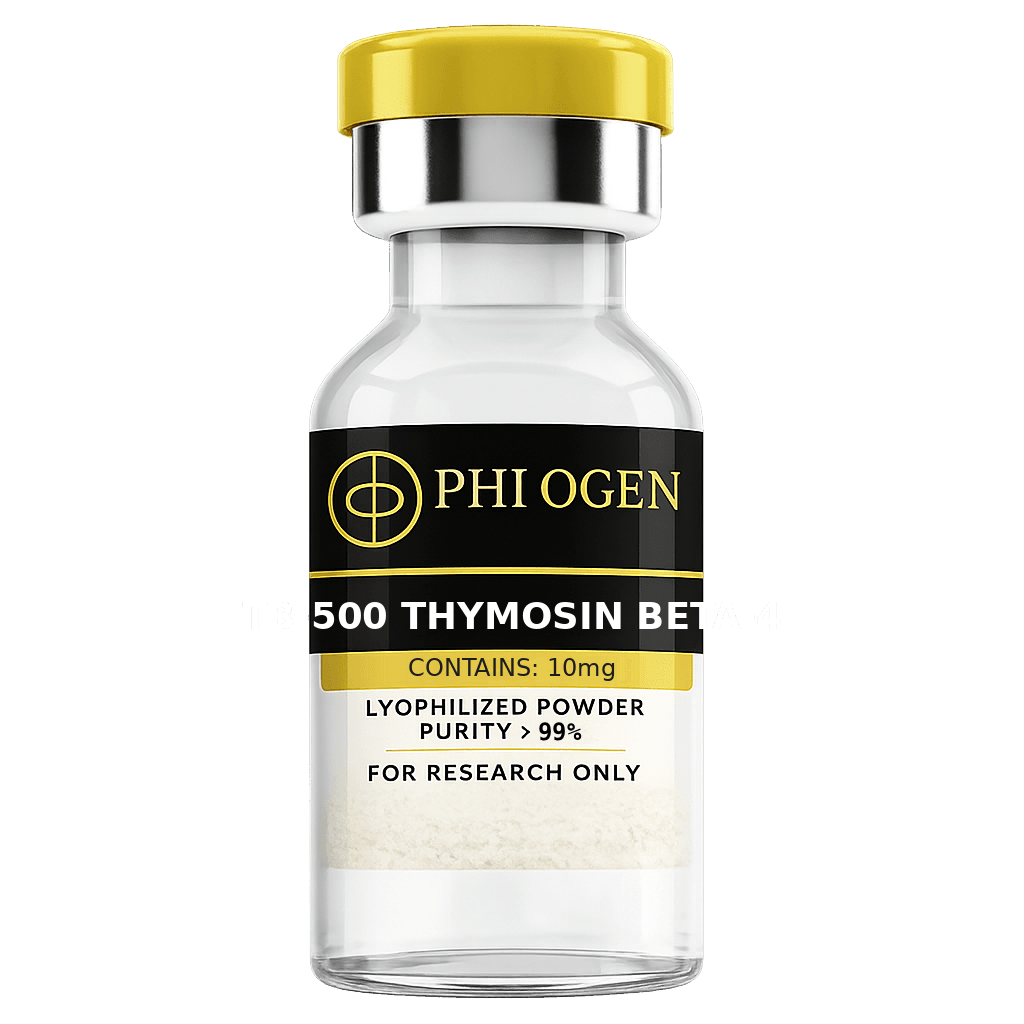
TB-500 (Thymosin Beta-4)
Buy TB-500 (Thymosin Beta-4) 10mg online — research-grade lyophilized peptide for laboratory use. Thymosin Beta-4 fragment (Ac-LKKTETQ active region). ≥98% HPLC purity verified.
CAS: 77591-33-4
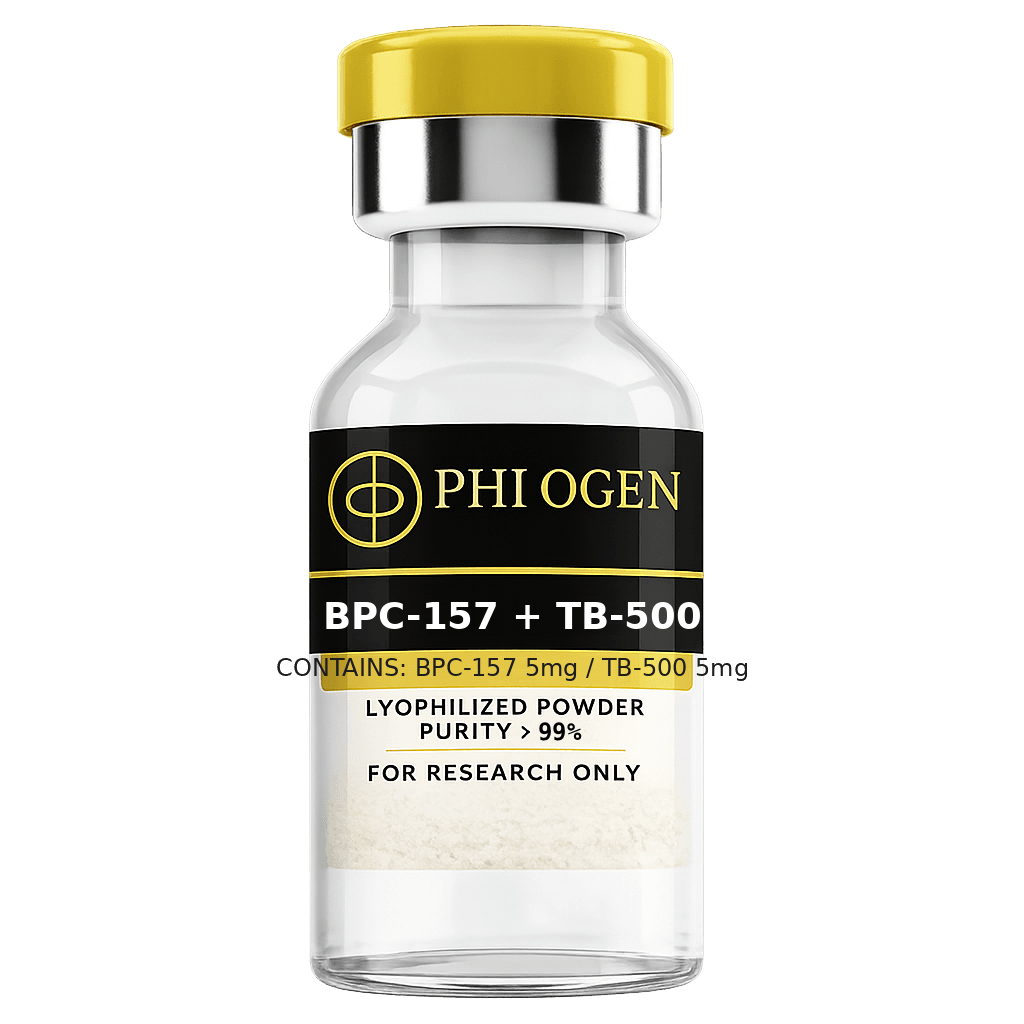
BPC-157 + TB-500 Blend
Buy BPC-157 + TB-500 Blend 10mg online — research-grade lyophilized peptide for laboratory use. Body Protection Compound-157 (15-amino-acid pentadecapeptide). ≥98% HPLC purity verified.
CAS: 137525-51-0
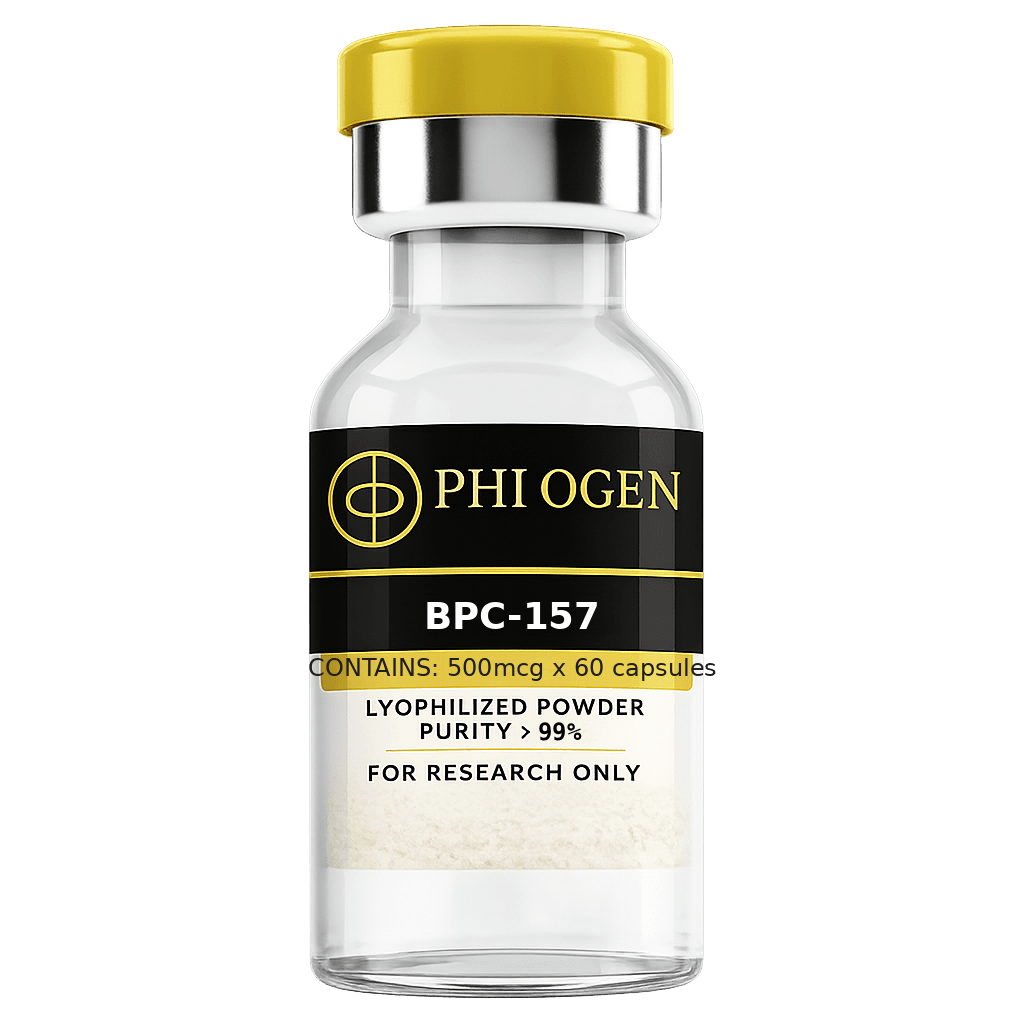
BPC-157 Capsules
Buy BPC-157 Capsules 500mcg x60 online — research-grade lyophilized peptide for laboratory use. Body Protection Compound-157 (15-amino-acid pentadecapeptide). ≥98% HPLC purity verified.
CAS: 137525-51-0
Research Protocols
Suggested compound combinations for healing & recovery peptides research
Wolverine Stack
Most ResearchedBPC-157 drives VEGFR2 angiogenesis and mucosal protection; TB-500 drives G-actin-mediated cell migration. Complementary mechanisms with no pathway overlap — the most studied tissue repair combination in the research literature.
GI Protection Protocol
GLP Stack EssentialStandalone BPC-157 for gastric mucosal cytoprotection. Essential when running GLP agonists (Retatrutide, semaglutide, tirzepatide) — directly counteracts GLP-induced nausea, gastroparesis, and mucosal stress.
Pathway Breakdown
Molecular mechanisms behind healing & recovery peptides research
- 1
VEGFR2 Angiogenesis (BPC-157)
BPC-157 upregulates vascular endothelial growth factor receptor 2 (VEGFR2), activating the PI3K → Akt → eNOS cascade. This drives new capillary formation at injury sites — the critical rate-limiting step in tissue repair. Improved blood supply accelerates nutrient delivery and waste clearance.
- 2
G-Actin Sequestration (TB-500)
Thymosin Beta-4 sequesters ~40–50% of cellular G-actin (monomeric actin), maintaining the pool available for controlled polymerization. This regulates cell migration — directing fibroblasts, endothelial cells, and stem cells into wound zones at the rate the tissue can accommodate.
- 3
Nitric Oxide / eNOS Pathway
BPC-157 modulates the eNOS/NO system in vascular tissue. Elevated nitric oxide causes vasodilation, improving perfusion to injured areas. The NO pathway also mediates BPC-157's anti-ulcer and GI cytoprotective effects — protecting mucosal barrier integrity under physiological stress.
Research Context
BPC-157's systemic healing effects stem from VEGF upregulation and nitric oxide pathway modulation — mechanisms that operate independently of the injury site. This makes it the most versatile healing peptide studied to date, with models spanning tendon, gut, nerve, and bone tissue.
- 36+BPC-157 studiesDr. Sikiric, Univ. Zagreb
- ~10 daysTB-500 half-lifeSystemic distribution
- 40–50%G-actin pool (TB-500)Cytoskeletal regulation
- 0Identified toxic dose (BPC-157)No minimum toxic dose found
Healing & Recovery Peptides: Research Overview
Regeneration and tissue repair peptides represent a growing area of biomedical research. These compounds interact with fundamental healing pathways including angiogenesis, inflammation modulation, and stem cell recruitment.
Key Peptides
BPC-157 (Body Protection Compound) BPC-157 is a synthetic 15-amino acid peptide derived from a protective protein found in gastric juice. It has been extensively studied in animal models for its effects on:
- Accelerated wound and tendon healing
- Gut mucosal protection and repair
- Angiogenesis promotion (VEGF pathway)
- Anti-inflammatory activity
- Neuroprotective effects
- Muscle, tendon, and ligament repair
TB-500 (Thymosin Beta-4 Fragment) TB-500 is a synthetic peptide based on the active region of thymosin beta-4, a 43-amino-acid protein involved in cell migration and tissue repair. Key research areas include:
- Cell migration and differentiation
- Anti-inflammatory properties
- Blood vessel formation
- Cardiac tissue repair
- Hair follicle stem cell migration
Synergistic Research
BPC-157 and TB-500 are frequently studied together due to their complementary mechanisms. BPC-157 primarily promotes angiogenesis and growth factor expression, while TB-500 enhances cell migration and anti-inflammatory responses. Research suggests the combination may produce additive effects on tissue repair.
Research Applications
- Tendon and ligament repair models
- Gastrointestinal mucosal healing
- Cardiac tissue regeneration
- Wound healing acceleration
- Neuroprotection studies
Research-Grade Healing & Recovery Peptides
>98% purity, third-party tested. Free shipping on orders over $200.
Research Highlights
Published studies underpinning healing & recovery peptides
J. Physiol. Paris
Sikiric P. et al.
First characterization of BPC-157 gastroprotective activity. Protected against ethanol-induced gastric lesions and demonstrated cytoprotective effects on mucosal epithelium.
Regulatory Peptides
Chang C.H. et al.
BPC-157 accelerated tendon-to-bone healing via VEGFR2 upregulation in rat Achilles tendon model. Significant increase in tensile strength and collagen organization vs. control.
FASEB Journal
Philp D. et al.
Thymosin Beta-4 (TB-500 precursor) promoted hair follicle stem cell migration and keratinocyte differentiation — first demonstration of TB4's role in hair cycle activation.
Related Research
Articles and breakdowns for healing & recovery peptides
Looking for Clavicular's Looksmaxxing Stack?
See which peptides Clavicular uses in his viral looksmaxxing transformation — Retatrutide, BPC-157, and more.
Common Questions
- Q1
What is BPC-157 derived from?
BPC-157 is a synthetic 15-amino acid peptide derived from Body Protection Compound, a protein found naturally in human gastric juice. The synthetic version is stable in stomach acid and has been studied in over 100 research papers.
- Q2
How does TB-500 promote healing?
TB-500 interacts with actin to promote cell migration and motility. It helps recruit repair cells to injury sites and has anti-inflammatory properties that support the healing process.
- Q3
Can BPC-157 and TB-500 be researched together?
Yes, these peptides are frequently studied in combination due to their complementary mechanisms. BPC-157 promotes angiogenesis while TB-500 enhances cell migration, potentially producing synergistic effects on tissue repair.
Shop Healing & Recovery Peptides
Research-grade healing & recovery peptides from Peptides Looksmaxxing. Third-party tested, >98% purity guaranteed.