Part of Clavicular's Looksmaxxing Stack
Bulk Retatrutide — Clavicular's primary peptide at extended supply for the full looksmaxxing cycle.
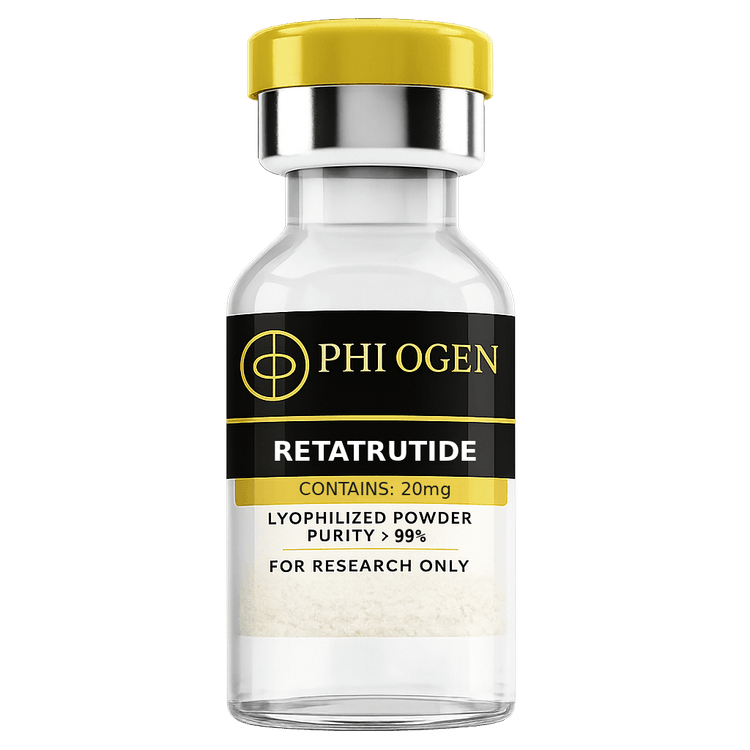
Triple-Agonist GLP-1 / GIP / Glucagon
Buy Retatrutide 20mg
The most potent body composition research peptide available — triple receptor agonism driving superior fat loss vs any single or dual agonist. The core of Clavicular's looksmaxxing protocol.
≥98% Purity
HPLC Verified
Research Grade
Lyophilized
Fast Shipping
Free $200+
Specifications
Clavicular's Protocol
Retatrutide is the central compound in Clavicular's viral looksmaxxing transformation. His protocol uses Retatrutide as the primary shred compound, paired with BPC-157 for gut and recovery support. His documented results drove 'clavicular peptides' to become one of the most searched terms in the peptide space.
See full stack →Mechanism of Action
GLP-1 Receptor Agonism — Appetite & Insulin
Retatrutide activates GLP-1 receptors in the hypothalamus, reducing appetite and caloric intake. It also potentiates glucose-dependent insulin secretion and suppresses glucagon — the same pathway exploited by semaglutide, but as one component of a three-part mechanism.
GIP Receptor Agonism — Adipose & Insulin Sensitization
GIP receptor activation enhances insulin sensitivity in adipose tissue and promotes favorable fat redistribution. Unlike early hypotheses, GIP agonism in combination with GLP-1 produces synergistic (not antagonistic) weight loss — first demonstrated by tirzepatide and extended by retatrutide.
Glucagon Receptor Agonism — Energy Expenditure
The glucagon receptor component is what separates retatrutide from all dual agonists. Glucagon receptor activation increases hepatic glucose output, raises basal metabolic rate, and drives fatty acid oxidation in the liver — producing significantly greater total energy expenditure than GLP-1/GIP alone.
Hepatic Fat Reduction
Phase 2 trial data shows retatrutide reduced liver fat content by 82.4% (Nature Medicine, 2024) — the most dramatic hepatic fat reduction ever reported for any pharmacological intervention in clinical trials. This is driven by the combined glucagon and GLP-1 liver signaling.
Research Findings
Phase 2 Weight Loss Trial (NEJM 2023)
338 participants, 48 weeks. The 12mg dose arm achieved −24.2% body weight reduction vs −2.1% placebo. Greater weight loss than any previously published GLP-1 or dual agonist trial at the time.
Jastreboff et al., New England Journal of Medicine (2023)
TRIUMPH-4 Phase 3 Trial (Dec 2025)
445 participants, 72 weeks. Average body weight reduction of −28.7% at 12mg — surpassing all prior obesity pharmacotherapy data. 47% of participants achieved ≥25% weight loss from baseline.
Eli Lilly TRIUMPH-4 Phase 3 readout, December 2025
Liver Fat Reduction
Sub-study of Phase 2 trial: retatrutide reduced MRI-assessed liver fat content by 82.4% over 24 weeks — the largest hepatic fat reduction ever documented for a pharmaceutical compound in a controlled trial.
Loomba et al., Nature Medicine (2024)
Cardiovascular Risk Markers
Phase 2 data shows significant improvements in triglycerides (−57%), waist circumference (−19.3 cm), and blood pressure. Cardiovascular outcomes trial (TRIUMPH-CVOT) is ongoing.
Jastreboff et al., NEJM (2023) supplementary data
Preclinical Safety Data
Retatrutide Phase 2/3 trials enrolled hundreds of participants with a defined safety monitoring protocol. The primary adverse effects were GI-related (nausea, vomiting, diarrhea) — consistent with all GLP-1 class compounds, dose-dependent, and generally transient. No novel safety signals were identified relative to the GLP-1/GIP class. Thyroid C-cell findings observed in rodent studies with GLP-1 agonists have not been confirmed in human trials for retatrutide specifically.
Research Dosing Protocols
From published literature — for research reference only.
Subcutaneous Injection
2–12 mg/week
Once weekly
Phase 2/3 trial protocol. Dose escalation starting at 2mg/week, increasing every 4 weeks to target dose. Abdominal, thigh, or upper arm injection.
Low-Dose Entry
0.5–2 mg/week
Once weekly
Common starting point in research protocols to assess tolerability before escalating. Reduces GI side effect burden during adaptation.
Reconstitution Guide
- 1
Allow vial to reach room temperature (10 min) before opening.
- 2
Draw 1–2 mL bacteriostatic water into an insulin syringe.
- 3
Inject BAC water slowly down the side of the vial — not directly onto powder.
- 4
Gently swirl to dissolve — do not shake or vortex.
- 5
For a 10mg vial + 2mL BAC water: solution = 5mg/mL (5,000 mcg/mL).
- 6
For a 4mg weekly dose, draw 0.8mL. For 8mg, draw 1.6mL.
- 7
Store reconstituted vial at 4°C. Use within 4 weeks. Label with date.
Stacking Guide
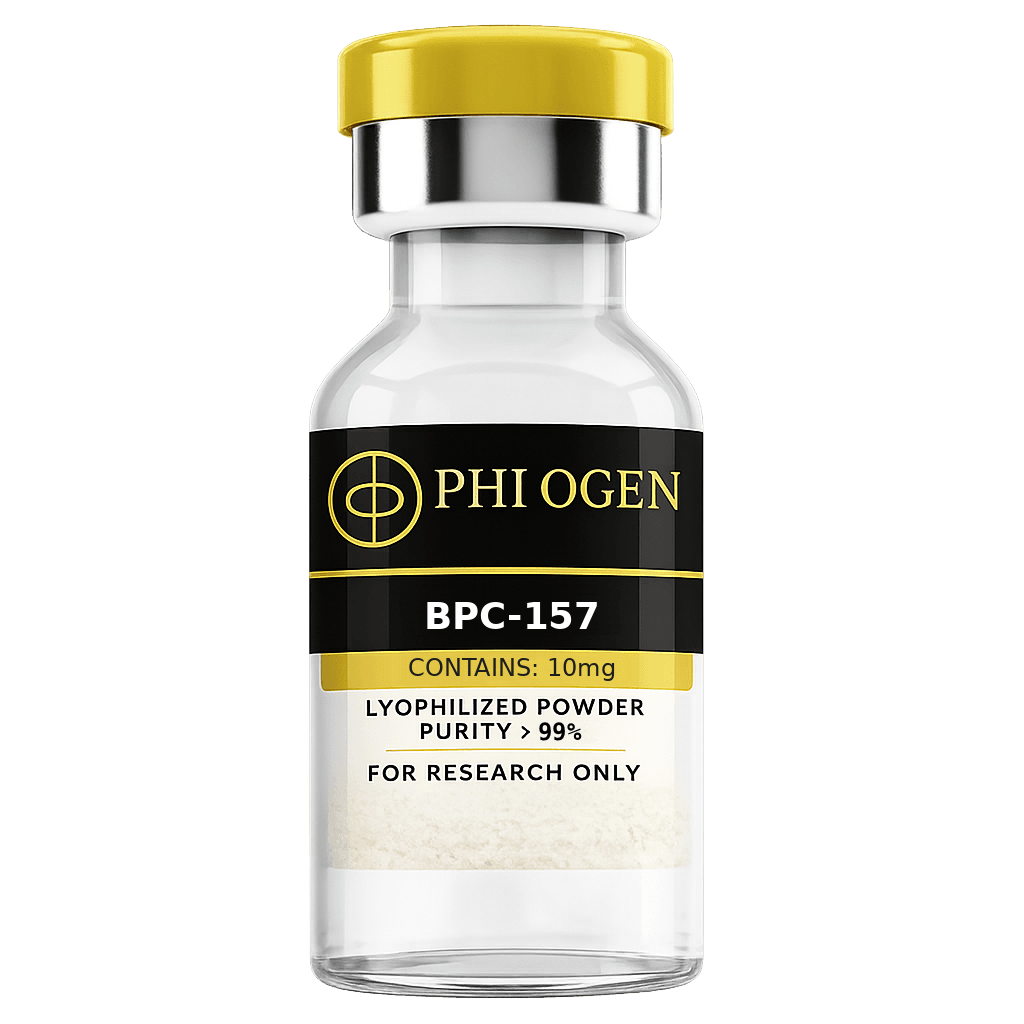
BPC-157
Retatrutide drives aggressive fat loss and caloric restriction. BPC-157 supports gut health and tissue integrity during this deficit — protecting GI mucosa and maintaining connective tissue quality during rapid body recomposition. Clavicular's documented stack.
GHK-Cu
$50.00During rapid weight loss, skin elasticity and collagen maintenance become a concern. GHK-Cu stimulates collagen and elastin synthesis, helping preserve skin quality during the recomposition process — a key looksmaxxing consideration.
TB-500
High-intensity training during a retatrutide protocol can stress connective tissue. TB-500 drives systemic cell migration and tissue repair through actin regulation, complementing BPC-157's local healing effects.
Frequently Asked Questions
What is Retatrutide?
Retatrutide (LY3437943) is a triple receptor agonist targeting GLP-1, GIP, and glucagon receptors simultaneously. Developed by Eli Lilly, it is the most potent weight loss compound in clinical trials as of 2026. It is currently in Phase 3 trials (TRIUMPH program).
How does Retatrutide compare to Tirzepatide and Semaglutide?
Semaglutide targets GLP-1 only (−17.4% weight loss in STEP trials). Tirzepatide targets GLP-1 + GIP (−22.5% in SURMOUNT trials). Retatrutide adds glucagon receptor agonism for an additional energy expenditure mechanism, achieving −24.2% (Phase 2) and −28.7% (TRIUMPH-4 Phase 3) — the highest weight loss data ever published for any pharmacological compound.
What dose of Retatrutide is studied?
Phase 2 trials used doses from 1mg to 12mg administered once weekly subcutaneously. The 12mg dose produced the maximum efficacy data (−24.2% Phase 2). TRIUMPH Phase 3 trials used similar dose ranges with 4-week titration steps.
What is the half-life of Retatrutide?
Retatrutide has a half-life of approximately 6 days, enabling once-weekly dosing. This is achieved through fatty acid chain attachment (similar to semaglutide's albumin-binding strategy), extending plasma half-life from hours to days.
What side effects were reported in Retatrutide trials?
The most common reported effects in Phase 2/3 trials were GI-related: nausea (45–65%), vomiting (20–30%), diarrhea (15–25%), constipation, and decreased appetite. These were dose-dependent and most prevalent during the escalation phase. GI effects typically diminished after 4–8 weeks at stable dose.
Is Retatrutide FDA approved?
As of 2026, Retatrutide is not FDA approved. It completed Phase 2 trials with exceptional data and is currently in Phase 3 TRIUMPH trials. FDA submission is anticipated following Phase 3 completion. All research peptides are for laboratory research purposes only.
Why does Clavicular use Retatrutide?
Clavicular (Braden Peters) documented his body recomposition transformation publicly, attributing the core fat loss to Retatrutide's triple-agonist mechanism. His protocol, which he shares in his Clavicular System course, uses Retatrutide for shredding paired with BPC-157 for recovery and gut support.
Research Disclosure: All products on this page are for laboratory research purposes only. They are not FDA-approved for human consumption, injection, or therapeutic use. Research findings cited are from preclinical and clinical studies and should not be interpreted as medical advice. Always consult a licensed healthcare provider.
Complete Your Stack
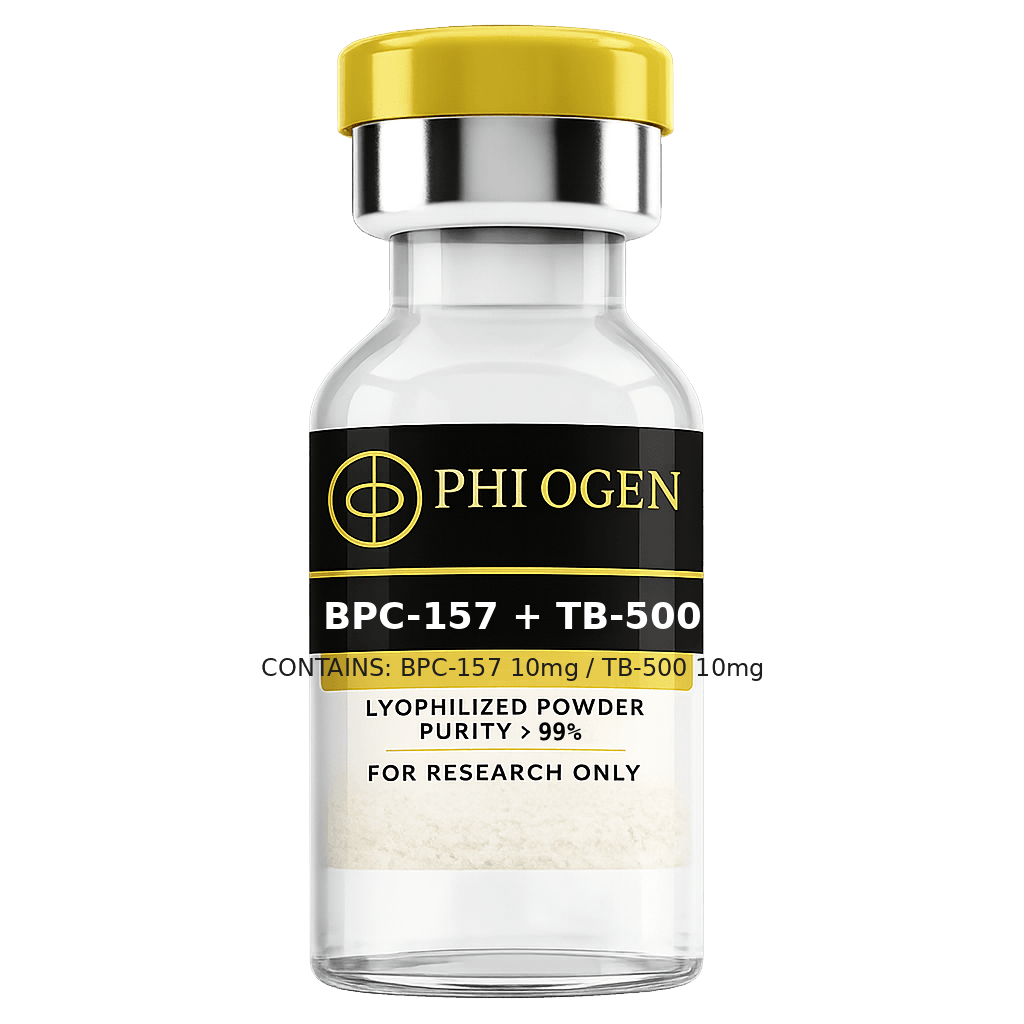
BPC-157 + TB-500 Blend 20mg
Buy BPC-157 + TB-500 Blend 20mg online — research-grade lyophilized peptide for laboratory use. Body Protection Compound-157 (15-amino-acid pentadecapeptide). ≥98% HPLC purity verified.
CAS: 137525-51-0
Retatrutide 20mg
$249.99