Best Peptides for Weight Loss in 2026
A comprehensive comparison of Semaglutide, Tirzepatide, and Retatrutide — the three leading GLP-1 receptor agonists being researched for metabolic and weight management applications.
Best Peptides for Weight Loss in 2026: The Definitive Ranking
The GLP-1 revolution has fundamentally reshaped metabolic research. What began with a single receptor agonist has exploded into a multi-receptor arms race, and three peptides now sit at the top of every researcher's watchlist: Retatrutide (the triple agonist), Tirzepatide (the dual agonist), and Semaglutide (the proven pioneer). Together, these three compounds have been studied in clinical trials enrolling well over 30,000 participants, published in journals including the New England Journal of Medicine, The Lancet, JAMA, and Nature Medicine.
But which one produces the most impressive data? Which has the strongest safety profile? And which mechanism of action represents the most significant leap forward in incretin biology?
We analyzed every major published trial, compared exact weight loss percentages across dose groups, reviewed adverse event rates, and evaluated the underlying pharmacology. Below is our comprehensive, data-driven ranking of the three best peptides for weight loss research in 2026 — complete with specific study numbers, dosing protocols, and where to source each compound for your laboratory.
---
How We Ranked These Peptides
Our ranking methodology evaluated four key dimensions:
- Efficacy Data — Peak body weight reduction percentages from the largest and most rigorous clinical trials, including dose-response curves across all tested dose groups.
- Safety and Tolerability — Adverse event rates, discontinuation percentages, and severity profiles drawn from pooled trial data.
- Mechanism Novelty — The sophistication and breadth of each peptide's receptor pharmacology, including the number of receptor targets and the unique metabolic pathways engaged.
- Research Availability — Current development stage (approved vs. investigational), availability of the research compound in lyophilized form, and published literature supporting laboratory protocols.
---
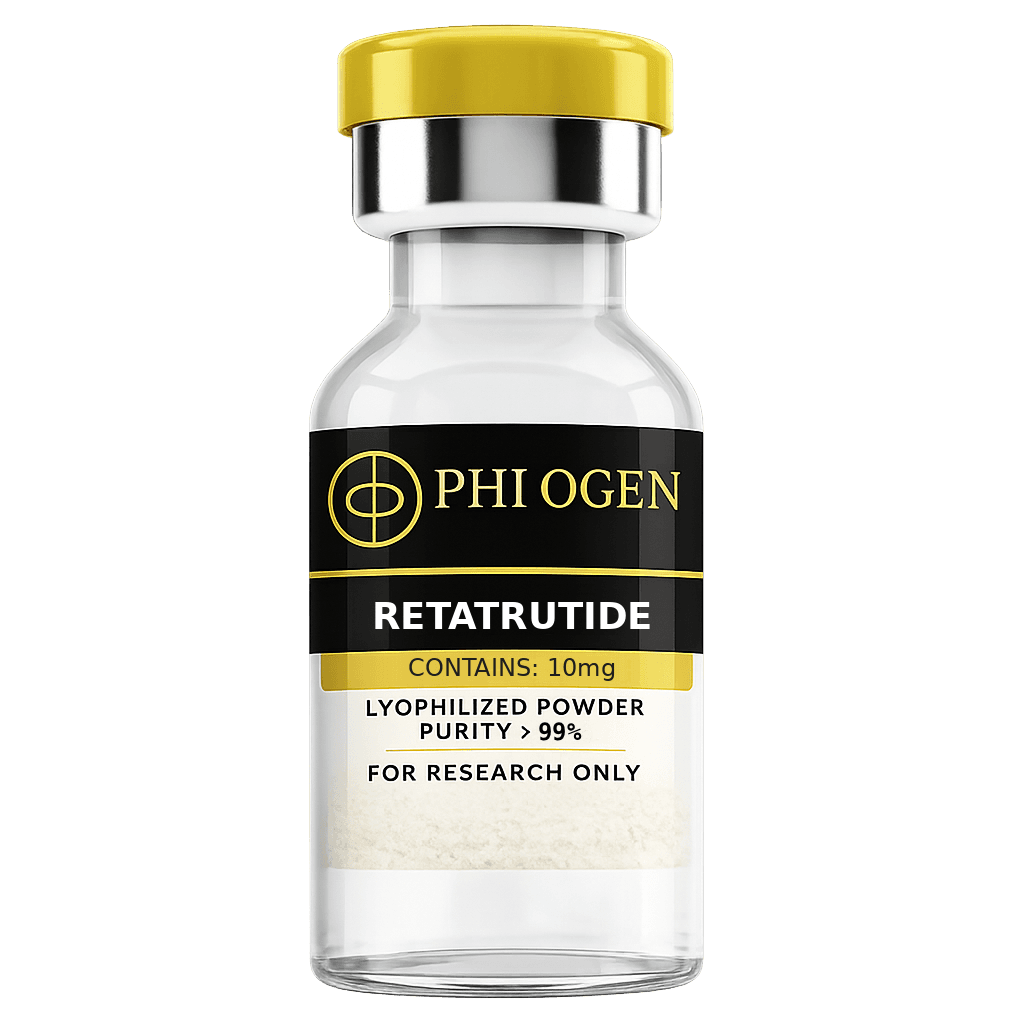
#1: Retatrutide (GLP-3 R) — The Triple Agonist
Category: GIP/GLP-1/Glucagon Triple Receptor Agonist
| CAS: 2381089-83-2 | Developer: Eli Lilly |
Retatrutide earns the top position on our list because it represents the most ambitious leap in incretin pharmacology to date. It is the first compound to simultaneously engage three metabolic hormone receptors — GIP, GLP-1, and glucagon — in a single molecule. The result is the highest weight loss ever recorded in a clinical trial for an anti-obesity peptide.
Mechanism of Action: How Triple Agonism Works
Retatrutide is a synthetic 39-amino acid peptide linked to a C20 fatty diacid moiety for extended half-life. It targets three distinct receptor systems, and understanding each one reveals why this compound produces such extraordinary results.
GLP-1 Receptor Component: Like semaglutide, retatrutide activates GLP-1 receptors in the hypothalamus, stimulating anorexigenic POMC/CART neurons while suppressing orexigenic NPY/AgRP neurons. This drives appetite suppression and delayed gastric emptying — the foundational mechanism shared by all three peptides on this list. It also enhances glucose-dependent insulin secretion from pancreatic beta cells.
GIP Receptor Component: Like tirzepatide, retatrutide activates GIP receptors, which enhances insulin sensitivity in adipose tissue, improves lipid metabolism, and potentiates the appetite-suppressing effects of GLP-1 signaling. Notably, retatrutide is more potent at the human GIP receptor than the natural GIP ligand itself.
Glucagon Receptor Component — The Differentiator: This is what sets retatrutide apart from every other compound on the market. Glucagon receptor activation stimulates hepatic gluconeogenesis and glycogenolysis, reduces lipogenesis, and induces lipolysis in adipose tissue. Most critically, it promotes thermogenesis through brown adipose tissue activation, directly increasing energy expenditure. This contributes an estimated additional 2-3% weight loss beyond what dual agonism alone can achieve. The glucagon component also drives direct hepatic lipid mobilization, which explains the dramatic liver fat reduction data discussed below.
Clinical Trial Data: Phase 2 (NEJM 2023)
The landmark Phase 2 trial was published in the New England Journal of Medicine in June 2023 (Jastreboff AM, et al., DOI: 10.1056/NEJMoa2301972). It enrolled 338 adults with obesity (BMI >=30 or >=27 with comorbidity), with 51.8% male participants randomized across multiple dose groups.
48-Week Weight Loss Results by Dose:
- 1 mg: -8.7% mean body weight reduction
- 4 mg (combined starting doses): -17.1%
- 8 mg (combined starting doses): -22.8%
- 12 mg: -24.2%
- Placebo: -2.1%
- At the 8 mg dose, 100% of participants achieved at least 5% weight loss, 91% achieved at least 10%, and 75% achieved at least 15%
- At the 12 mg dose, 100% achieved at least 5%, 93% achieved at least 10%, and 83% achieved at least 15%
- Compare this to placebo: only 27% reached the 5% threshold, 9% reached 10%, and just 2% reached 15%
TRIUMPH-4 Phase 3 Results (December 2025)
The first Phase 3 data from the TRIUMPH program were announced in December 2025. TRIUMPH-4 enrolled 445 participants with obesity and knee osteoarthritis in a 68-week, randomized, double-blind trial with three arms (9 mg, 12 mg, and placebo).
Key Results:
- 12 mg dose: -28.7% mean body weight loss (an average of 71.2 lbs) at 68 weeks
- 9 mg dose: -26.4% mean body weight loss
- Systolic blood pressure reduction (12 mg): -14.0 mmHg
- WOMAC pain score reduction: Up to 4.5 points (75.8% improvement)
- Additional improvements in non-HDL cholesterol, triglycerides, and high-sensitivity C-reactive protein
Liver Fat Reduction: A Standout Finding
Data from a Phase 2a trial published in Nature Medicine (2024) demonstrated what researchers called "among the largest liver fat reductions ever observed with any pharmacotherapy":
- 1 mg: -42.9% relative liver fat reduction at 24 weeks
- 4 mg: -57.0%
- 8 mg: -81.4%
- 12 mg: -82.4%
- Placebo: +0.3%
Side Effects
The triple agonist mechanism does come with a more pronounced side effect profile:
- Nausea: 38.1-43.2%
- Diarrhea: 33.1-34.7%
- Constipation: 21.8-25.0%
- Vomiting: 20.4-20.9%
- Decreased appetite: 18.2-19.0%
- 12 mg: 18.2% discontinued due to adverse events
- 9 mg: 12.2%
- Placebo: 4.0%
Why Retatrutide Is #1
No other peptide matches -28.7% body weight loss in a Phase 3 trial. The triple agonist mechanism engages metabolic pathways — particularly thermogenesis and hepatic lipid mobilization via the glucagon receptor — that dual and single agonists simply cannot access. The liver fat data alone makes retatrutide a uniquely valuable research compound. While it is not yet FDA-approved, the Phase 3 TRIUMPH program is the largest ongoing clinical development program for a triple agonist, and seven additional trials will report through 2026.
Dosing Protocol (Clinical Trial)
In clinical trials, retatrutide was administered once weekly via subcutaneous injection with gradual dose escalation starting at 2 mg to minimize GI side effects. Target maintenance doses ranged from 8 mg to 12 mg.
Available from Apollo Peptide Sciences
- [GLP-3 R 10mg](https://apollopeptidesciences.com/product/glp-3r-10mg/) — $149.99
- [GLP-3 R 15mg](https://apollopeptidesciences.com/product/glp-3r-15mg/) — $189.99
- [GLP-3 R 30mg](https://apollopeptidesciences.com/product/glp-3-r-30mg/) — $349.99
- [GLP-3 R 60mg](https://apollopeptidesciences.com/product/glp-3-r-60mg/) — $589.99
---
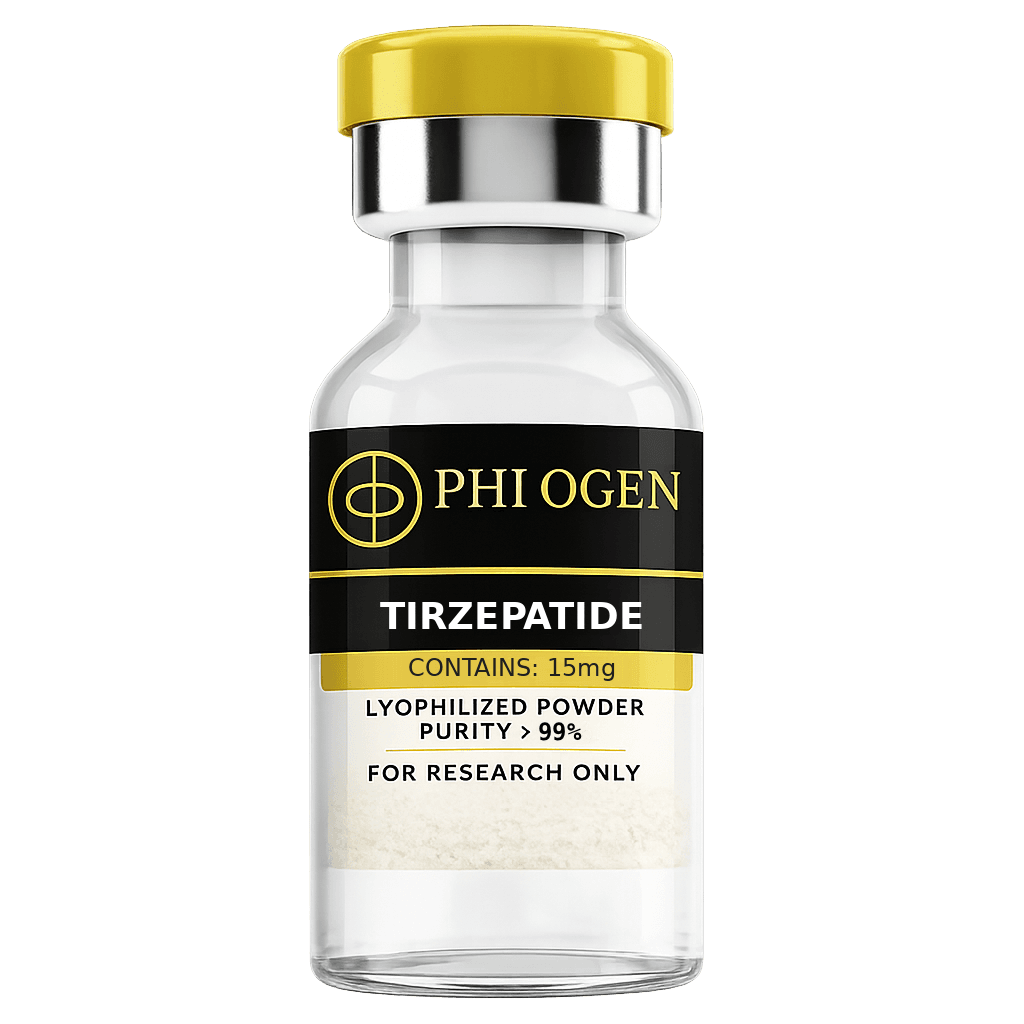
#2: Tirzepatide (GLP-2 T) — The Dual Agonist
Category: GIP/GLP-1 Dual Receptor Agonist
| CAS: 2023788-19-2 | Brand Names: Mounjaro (diabetes), Zepbound (weight loss) |
Tirzepatide is the first-in-class dual incretin agonist and currently the most potent FDA-approved compound for weight management. Engineered from the native GIP sequence with agonist activity at both GIP and GLP-1 receptors, it produces significantly greater weight loss than any single-receptor agonist — and it has the Phase 3 data, the FDA approval, and the head-to-head trial wins to prove it.
Mechanism of Action: Dual Agonism Explained
Tirzepatide is a synthetic 39-amino acid peptide with a C20 fatty diacid side-chain modification, giving it a half-life of approximately 5 days (120 hours) suitable for once-weekly administration. Its bioavailability is 80% via subcutaneous injection.
GLP-1 Receptor Pathway: Tirzepatide activates GLP-1R on pancreatic beta cells, increasing intracellular cAMP, which enhances glucose-dependent insulin secretion, suppresses glucagon release, slows gastric emptying, and activates hypothalamic satiety centers. This is the same pathway that semaglutide uses — but tirzepatide has approximately 5x weaker affinity for GLP-1R compared to native GLP-1, which may actually contribute to its improved tolerability profile.
GIP Receptor Pathway — The Advantage: Tirzepatide activates GIPR with affinity equal to native GIP. GIP receptor activation enhances insulin sensitivity specifically in adipose tissue, improves fat tissue lipid buffering capacity, and potentiates the anorexigenic effects of GLP-1 signaling. Research has demonstrated that co-infusion of GLP-1 and GIP produces synergistic effects: significantly increased insulin response and glucagonostatic response compared to separate administration of each hormone. This dual-pathway synergy is the pharmacological basis for tirzepatide's superiority over GLP-1 monoagonists.
SURMOUNT-1: The Landmark Obesity Trial (NEJM 2022)
Published in the New England Journal of Medicine in 2022 (DOI: 10.1056/NEJMoa2206038), SURMOUNT-1 enrolled 2,539 adults with obesity or overweight without diabetes for 72 weeks.
Results by Dose Group:
- 5 mg: -16.0% mean weight loss (35 lbs / 16 kg). 85% achieved >=5%, 32% achieved >=20%, 16.5% achieved >=25%
- 10 mg: -21.4% (49 lbs / 22 kg). 89% achieved >=5%, 50% achieved >=20%, 35% achieved >=25%
- 15 mg: -22.5% (52 lbs / 24 kg). 91% achieved >=5%, 57% achieved >=20%, 39.7% achieved >=25%
- Placebo: -2.4% (5 lbs / 2 kg). 35% achieved >=5%, 3% achieved >=20%, 0.3% achieved >=25%
SURMOUNT-2: Diabetic Population
SURMOUNT-2 enrolled 938 adults with obesity/overweight AND type 2 diabetes for 72 weeks:
- 10 mg: -13.4% weight loss. 41.4% achieved >=15%
- 15 mg: -15.7% weight loss. 51.8% achieved >=15%
- Placebo: -3.3%. Only 2.6% achieved >=15%
SURMOUNT-4: The Maintenance Question
SURMOUNT-4 answered a critical research question: what happens when you stop? The trial enrolled 670 participants, all of whom received tirzepatide during a 36-week open-label lead-in, then were randomized to continue tirzepatide or switch to placebo for 52 additional weeks.
- Lead-in phase weight loss: -20.9% over 36 weeks
- Continued tirzepatide (week 36-88): Additional -5.5% weight loss
- Switched to placebo (week 36-88): +14.0% weight regain
- Maintenance rate: 89.5% of the tirzepatide group maintained at least 80% of their lead-in weight loss vs. only 16.6% in the placebo group
SURPASS-2: Head-to-Head vs. Semaglutide
The SURPASS-2 trial directly compared tirzepatide to semaglutide 1.0 mg in patients with type 2 diabetes. All three tirzepatide doses (5 mg, 10 mg, 15 mg) delivered superior A1C reductions and body weight reductions compared to semaglutide 1.0 mg. Up to 92% of tirzepatide participants achieved HbA1c below 7%, and up to 51% achieved the stringent target of below 5.7% — essentially normal blood sugar levels.
The SURMOUNT-5 trial further confirmed superiority: tirzepatide achieved -20.2% weight loss vs. -13.7% for semaglutide (2.4 mg maximum dose) over 72 weeks in 751 participants — a 47% greater weight loss.
Side Effects
Tirzepatide's side effect profile is notable for being generally milder than retatrutide despite producing greater weight loss than semaglutide:
- Nausea: 12-18% (vs. 6% placebo)
- Diarrhea: 12-14% (vs. 8% placebo)
- Vomiting: 2-6% (vs. 2% placebo)
- Severity was mostly mild to moderate and transient
- GI-related discontinuation rate in SURMOUNT-5: 2.7% (vs. 5.6% for semaglutide)
Dosing Protocol
| Weeks | Dose |
| 1-4 | 2.5 mg |
| 5-8 | 5.0 mg |
| 9-12 | 7.5 mg (optional step) |
| 13-16 | 10.0 mg |
| 17-20 | 12.5 mg (optional step) |
| 21+ | 15.0 mg maintenance |
Administration: Once weekly, subcutaneous. Time to steady state: 4 weeks of weekly dosing. Time to peak: 8-72 hours post-injection.
Available from Apollo Peptide Sciences
- [GLP-2 T 15mg](https://apollopeptidesciences.com/product/glp-2t-15m/) — $149.99
- [GLP-2 T 30mg](https://apollopeptidesciences.com/product/glp-2t-30mg/) — $279.99
- [GLP-2 T 60mg](https://apollopeptidesciences.com/product/glp-2-t-60mg/) — $489.99
- [GLP-2 T 15mg (4 pack)](https://apollopeptidesciences.com/product/glp-2t-15mg-4-pack/) — $569.99
- [GLP-2 T 20mg (5 pack)](https://apollopeptidesciences.com/product/glp-2t-20mg-5-pack/) — $699.99
- [GLP-2 T 15mg (10 pack)](https://apollopeptidesciences.com/product/glp-2t-15mg-10-pack/) — $1,399.99
---
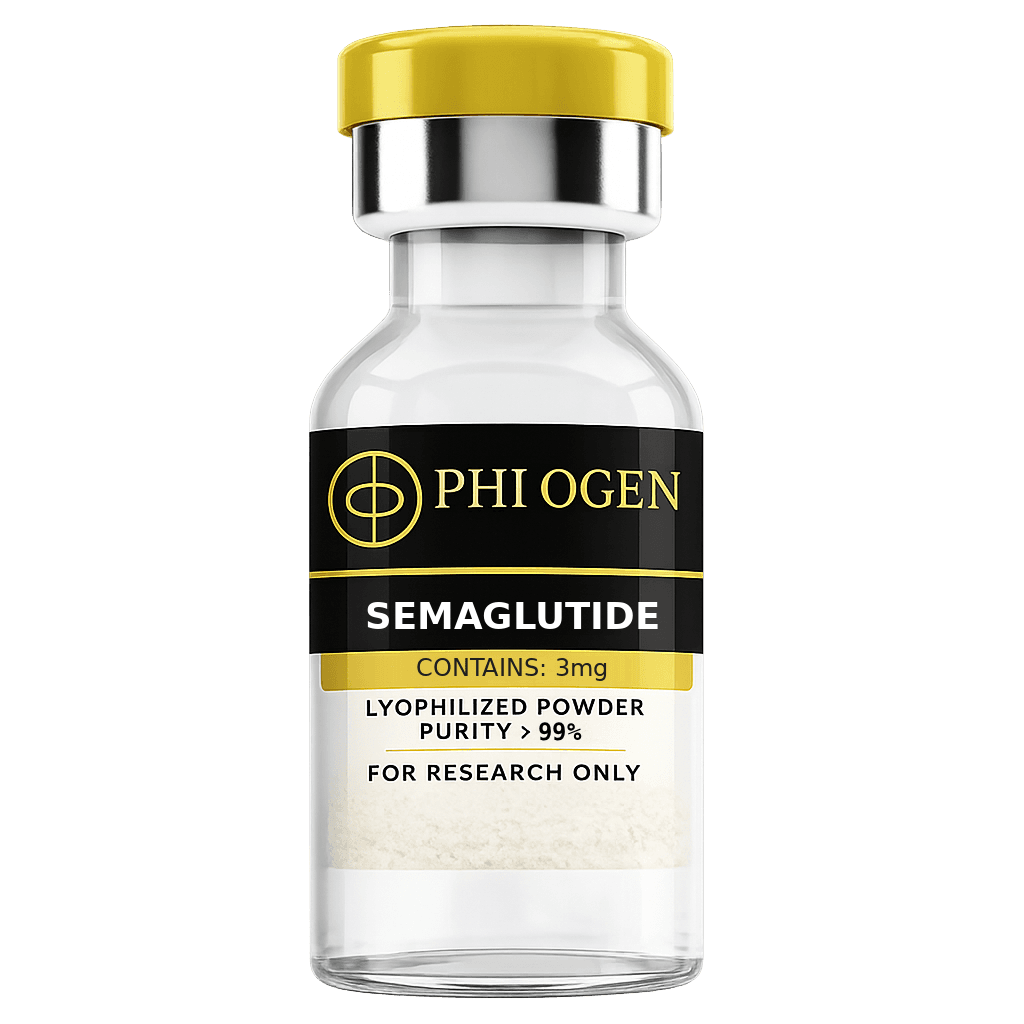
#3: Semaglutide (GLP-1 S) — The Proven Pioneer
Category: GLP-1 Receptor Agonist
| CAS: 910463-68-2 | Brand Names: Ozempic (diabetes), Wegovy (weight loss), Rybelsus (oral) |
Semaglutide is the compound that started it all. While it no longer holds the title for maximum weight loss, it remains the most extensively studied incretin agonist in history, with the largest clinical trial program, the only dedicated cardiovascular outcomes trial, and the most comprehensive long-term safety data. For many researchers, it is still the gold standard reference compound.
Mechanism of Action: Single Agonism, Deep Understanding
Semaglutide is a synthetic GLP-1 analog with 94% structural homology to human GLP-1. Three molecular modifications distinguish it from the native hormone: (1) an amino acid substitution at position 8 (alpha-aminoisobutyric acid/Aib) for DPP-4 enzyme resistance, (2) an amino acid substitution at position 34 (arginine), and (3) a C18 fatty diacid chain at lysine-26 that enables albumin binding. These modifications produce a half-life of approximately 7 days (165 hours) with 89% subcutaneous bioavailability.
Central Nervous System Effects: Semaglutide's weight loss mechanism is primarily centrally mediated. It directly stimulates anorexigenic neurons — specifically proopiomelanocortin (POMC) and cocaine- and amphetamine-regulated transcript (CART) neurons — in the arcuate nucleus of the hypothalamus. Simultaneously, it inhibits orexigenic neurons — neuropeptide Y (NPY) and agouti-related peptide (AgRP) neurons — in the same region. This dual push-pull on the hypothalamic appetite circuitry produces potent appetite suppression.
Pancreatic and Peripheral Effects: GLP-1R activation on pancreatic beta cells couples with Gs protein, triggering adenylate cyclase activation, intracellular cAMP elevation, Protein Kinase A (PKA) activation, KATP channel closure, membrane depolarization, voltage-gated calcium channel opening, and ultimately glucose-dependent insulin vesicle exocytosis. Peripherally, semaglutide delays gastric emptying, increasing satiety duration, and reduces dopamine reward signaling associated with food.
STEP 1: The Foundational Trial (NEJM 2021)
Published in the New England Journal of Medicine in February 2021 (Wilding JPH, Batterham RL, Calanna S, et al.; DOI: 10.1056/NEJMoa2032183), STEP 1 enrolled 1,961 adults with BMI >=30 (or >=27 with weight-related comorbidity) without diabetes for 68 weeks at a dose of 2.4 mg once weekly.
- Mean weight loss: -14.9% (semaglutide) vs. -2.4% (placebo)
- Absolute weight loss: approximately 15.3 kg (33.7 lbs)
- 5% threshold: 86% of the semaglutide group achieved at least 5% weight loss
- Treatment difference: -12.4 percentage points vs. placebo
STEP 2: Diabetic Population
STEP 2 enrolled 1,210 adults with overweight/obesity AND type 2 diabetes for 68 weeks, with three arms: semaglutide 2.4 mg (n=404), semaglutide 1.0 mg (n=403), and placebo (n=403). Published in The Lancet, 2021.
- 2.4 mg: -9.6% weight loss
- Placebo: -3.4%
STEP 3: With Intensive Behavioral Therapy
STEP 3, published in JAMA (February 2021), enrolled 611 participants (407 semaglutide, 204 placebo) and combined semaglutide 2.4 mg with intensive behavioral therapy including a low-calorie diet for the first 8 weeks.
- Mean weight loss: -16.0% (semaglutide + IBT) vs. -5.7% (placebo + IBT)
STEP 4: The Withdrawal Study
STEP 4 used a clever design: all 803 participants received semaglutide for 20 weeks (achieving a mean 10.6% weight loss), then were randomized to either continue semaglutide or switch to placebo for an additional 48 weeks. Published in JAMA, 2021.
- Continued semaglutide (week 20-68): Additional -7.9% weight loss
- Switched to placebo (week 20-68): +6.9% weight regain
- Difference: -14.8 percentage points between groups
- Completion rate: 98.0%
STEP 5: Two-Year Durability
STEP 5 was the longest trial in the program at 104 weeks (2 years), enrolling 304 participants (152 per group). Published in Nature Medicine, 2022.
- Mean weight loss at 104 weeks: -15.2% (semaglutide) vs. -2.6% (placebo)
- 5% threshold: 77.1% of semaglutide participants vs. 34.4% placebo
- Completion rate: 92.8%
SELECT: The Cardiovascular Landmark (NEJM 2023)
The SELECT trial is semaglutide's crown jewel and represents a dataset no other weight loss peptide can match. Published in the New England Journal of Medicine in 2023, SELECT enrolled 17,604 participants aged 45 and older across 41 countries — adults with BMI >=27 and established cardiovascular disease but WITHOUT diabetes. The dose was 2.4 mg once weekly.
Primary Endpoint — 3-Point MACE (cardiovascular death, nonfatal MI, nonfatal stroke):
- Semaglutide MACE rate: 6.5%
- Placebo MACE rate: 8.0%
- Hazard ratio: 0.80 (95% CI: 0.72-0.90)
- P-value: <0.001
- Relative risk reduction: 20%
Side Effects
Pooled data from the STEP trial program provides the most comprehensive adverse event profile:
- Overall GI adverse events: 72.9% semaglutide vs. 47.1% placebo
- Nausea: 43.9% (vs. 16.1% placebo) — median duration 8 days
- Diarrhea: 29.7% (vs. 15.9% placebo) — median duration 3 days
- Vomiting: 24.5% (vs. 6.3% placebo) — median duration 2 days
- Severity: 99.5% of GI events were non-serious; 98.1% were mild or moderate
- Severe GI events: 4.1% semaglutide vs. 0.9% placebo
- Dose reduction rate: 12.5% semaglutide vs. 1.7% placebo
- Peak timing: GI side effects peak around week 20 during dose escalation and decrease thereafter
Dosing Protocol
| Weeks | Dose |
| 1-4 | 0.25 mg |
| 5-8 | 0.5 mg |
| 9-12 | 1.0 mg |
| 13-16 | 1.7 mg |
| 17+ | 2.4 mg maintenance |
Administration: Once weekly, subcutaneous. Time to steady state: 4-5 weeks at each dose level. Time to peak plasma concentration: 24-72 hours post-injection.
Storage: Lyophilized powder at -20C (-4F). Reconstituted: refrigerate at 2-8C (35.6-46.4F), use within 28 days. Reconstitution: Add 2.0 mL bacteriostatic water to 5 mg vial (~2.5 mg/mL). Inject slowly down the vial wall; do not shake.
Available from Apollo Peptide Sciences
- [GLP-1 S 5mg](https://apollopeptidesciences.com/product/glp-1s-5mg/) — $79.99
- [GLP-1 S 10mg](https://apollopeptidesciences.com/product/glp-1s-10mg/) — $99.99
- [GLP-1 S 15mg](https://apollopeptidesciences.com/product/glp-1s-15mg/) — $159.99
---
Shop Clavicular's Protocol
Research-grade Retatrutide and BPC-157 from Apollo Peptide Sciences — the exact peptides behind the most viral looksmaxxing transformation.
Head-to-Head Comparison Table
| Feature | Retatrutide (GLP-3 R) | Tirzepatide (GLP-2 T) | Semaglutide (GLP-1 S) |
| Receptor Targets | GIP + GLP-1 + Glucagon | GIP + GLP-1 | GLP-1 only |
| Max Weight Loss (Trial) | -28.7% (TRIUMPH-4, Phase 3) | -22.5% (SURMOUNT-1) | -14.9% (STEP 1) |
| Max Weight Loss (With Behavior) | N/A | -26.6% (SURMOUNT-3) | -16.0% (STEP 3) |
| Liver Fat Reduction | Up to -82.4% (Phase 2a) | Significant (data limited) | Moderate |
| Cardiovascular Outcomes | Not yet studied | Ongoing trials | 20% MACE reduction (SELECT) |
| Trial Phase | Phase 3 (not approved) | FDA-Approved | FDA-Approved |
| Total Trial Participants | 5,800+ (TRIUMPH program) | 10,000+ (SURMOUNT + SURPASS) | 15,000+ (STEP + SELECT) |
| Nausea Rate | 38-43% | 12-18% | 43.9% |
| Discontinuation Rate | 12-18% | 2.7% (SURMOUNT-5) | 5.6% (SURMOUNT-5) |
| Half-Life | Not published | ~5 days | ~7 days |
| Dosing Frequency | Once weekly | Once weekly | Once weekly |
| Starting Price | $149.99 (10mg) | $149.99 (15mg) | $79.99 (5mg) |
---
Which Peptide Should You Choose for Research?
The best compound depends entirely on your research goals:
Choose Retatrutide (GLP-3 R) if:
- Your research focuses on maximum weight reduction efficacy
- You are studying multi-receptor metabolic interactions and triple agonism pharmacology
- Liver fat reduction and MASLD/NASH are primary endpoints
- You want to work with the most advanced mechanism in the incretin space
- You are conducting cutting-edge research ahead of anticipated FDA approval
- You need an FDA-approved compound with the strongest head-to-head efficacy data
- Your research examines GIP/GLP-1 receptor synergy and dual incretin biology
- Tolerability and low discontinuation rates are important protocol considerations
- You are studying glycemic control alongside weight management
- You want the best balance of efficacy and published safety data
- Your research requires the most extensive published literature and established protocols
- Cardiovascular outcomes are a primary or secondary endpoint
- You need long-term (2+ year) durability data to reference
- Budget considerations favor the most affordable starting option
- You are studying selective GLP-1 receptor pharmacology as a reference standard
Stacking with Recovery Peptides
One of the most frequently discussed topics in peptide research is combining GLP-1 receptor agonists with recovery and protective peptides. Two compounds are particularly relevant:
BPC-157 for GI Protection
BPC-157 (Body Protection Compound-157) is a synthetic 15-amino acid pentadecapeptide derived from a protein found in human gastric juice. It activates the VEGFR2 pathway and nitric oxide synthesis via the Akt-eNOS axis, promoting angiogenesis and tissue repair. Over 36 published studies have examined its gastroprotective properties.
Given that GI side effects are the most common adverse events across all three GLP-1 agonists (ranging from 47% to 73% incidence), BPC-157's cytoprotective effects on gastric mucosa make it a natural complement to metabolic peptide research. Its FAK-paxillin pathway activation promotes cell migration and tissue organization in gut epithelium, while its dual nitric oxide pathways (VEGF-dependent and Src-caveolin-1-eNOS) provide broad vascular and tissue protective effects.
Researchers have been unable to identify a minimum toxic dose or lethal dose for BPC-157, and no teratogenic, genotoxic, or anaphylactic effects have been reported in preclinical studies.
Available from Apollo: [BPC-157 10mg](https://apollopeptidesciences.com/product/bpc157-10mg/) — $59.99
TB-500 for Systemic Recovery
TB-500 is a synthetic peptide corresponding to the active region of thymosin beta-4, a naturally occurring 43-amino acid protein found in virtually all human cells. Its primary mechanism involves sequestering G-actin monomers (40-50% of the total G-actin pool), regulating actin polymerization and enabling rapid cell migration to sites of tissue stress.
TB-500's anti-inflammatory properties — including upregulation of anti-inflammatory cytokines and downregulation of pro-inflammatory ones — complement the metabolic stress that intensive weight loss protocols can place on connective tissues and joints. With a long half-life of approximately 10 days, it requires less frequent administration than BPC-157.
Available from Apollo: [TB-500 10mg](https://apollopeptidesciences.com/product/tb500-10mg/) — $59.99
The combination of BPC-157 and TB-500 (sometimes called the "Wolverine Stack") approaches tissue protection through complementary biochemical pathways: BPC-157 drives angiogenesis and fibroblast activation while TB-500 promotes actin-dependent cell migration and systemic anti-inflammatory signaling.
---
Where to Buy Research Peptides
All peptides discussed in this article are available from [Apollo Peptide Sciences](https://apollopeptidesciences.com) as research-grade lyophilized powder. Apollo is based in Oxnard, California and offers free shipping on orders over $200.
Retatrutide (GLP-3 R)
- [GLP-3 R 10mg — $149.99](https://apollopeptidesciences.com/product/glp-3r-10mg/)
- [GLP-3 R 15mg — $189.99](https://apollopeptidesciences.com/product/glp-3r-15mg/)
- [GLP-3 R 30mg — $349.99](https://apollopeptidesciences.com/product/glp-3-r-30mg/)
- [GLP-3 R 60mg — $589.99](https://apollopeptidesciences.com/product/glp-3-r-60mg/)
Tirzepatide (GLP-2 T)
- [GLP-2 T 15mg — $149.99](https://apollopeptidesciences.com/product/glp-2t-15m/)
- [GLP-2 T 30mg — $279.99](https://apollopeptidesciences.com/product/glp-2t-30mg/)
- [GLP-2 T 60mg — $489.99](https://apollopeptidesciences.com/product/glp-2-t-60mg/)
- [GLP-2 T 15mg 4-Pack — $569.99](https://apollopeptidesciences.com/product/glp-2t-15mg-4-pack/)
- [GLP-2 T 20mg 5-Pack — $699.99](https://apollopeptidesciences.com/product/glp-2t-20mg-5-pack/)
Semaglutide (GLP-1 S)
- [GLP-1 S 5mg — $79.99](https://apollopeptidesciences.com/product/glp-1s-5mg/)
- [GLP-1 S 10mg — $99.99](https://apollopeptidesciences.com/product/glp-1s-10mg/)
- [GLP-1 S 15mg — $159.99](https://apollopeptidesciences.com/product/glp-1s-15mg/)
Recovery Peptides
- [BPC-157 10mg — $59.99](https://apollopeptidesciences.com/product/bpc157-10mg/)
- [TB-500 10mg — $59.99](https://apollopeptidesciences.com/product/tb500-10mg/)
Essential Supply
- [Bacteriostatic Water 10ml — $9.99](https://apollopeptidesciences.com/product/bacteriostatic-water-reconstitution-solution-10ml/)
Frequently Asked Questions
What is the most effective peptide for weight loss research?
Based on published clinical trial data, retatrutide (GLP-3 R) has produced the highest weight loss of any anti-obesity peptide: -28.7% at the 12 mg dose in the TRIUMPH-4 Phase 3 trial (68 weeks, 445 participants). This exceeds tirzepatide's peak of -22.5% in SURMOUNT-1 and semaglutide's -14.9% in STEP 1. However, retatrutide is not yet FDA-approved and is still in Phase 3 development, while both tirzepatide and semaglutide have full regulatory approval.
What is the difference between single, dual, and triple receptor agonists?
Semaglutide targets one receptor (GLP-1R), producing appetite suppression and insulin sensitization. Tirzepatide targets two receptors (GIP + GLP-1), adding enhanced adipose tissue insulin sensitivity and synergistic incretin effects. Retatrutide targets three receptors (GIP + GLP-1 + Glucagon), adding thermogenesis via brown adipose tissue activation and direct hepatic lipid mobilization. Each additional receptor target opens new metabolic pathways that contribute to greater overall weight reduction.
How does tirzepatide compare to semaglutide in head-to-head trials?
The SURMOUNT-5 trial (751 participants, 72 weeks, NEJM 2025) directly compared tirzepatide (10-15 mg) to semaglutide (1.7-2.4 mg). Tirzepatide achieved -20.2% weight loss vs. -13.7% for semaglutide — a 47% greater reduction. Tirzepatide also had a lower GI-related discontinuation rate (2.7% vs. 5.6%). In the SURPASS-2 diabetes trial, all three tirzepatide doses delivered superior A1C and body weight reductions compared to semaglutide 1.0 mg.
Does semaglutide have cardiovascular benefits?
Yes. The SELECT trial (17,604 participants, 41 countries, NEJM 2023) demonstrated a 20% relative risk reduction in 3-point MACE (cardiovascular death, nonfatal MI, nonfatal stroke) with semaglutide 2.4 mg vs. placebo. The hazard ratio was 0.80 (95% CI: 0.72-0.90, p<0.001). This is the only dedicated cardiovascular outcomes trial for any weight loss peptide, making semaglutide uniquely valuable for cardiometabolic research.
What is the liver fat reduction data for retatrutide?
Phase 2a trial data published in Nature Medicine (2024) showed retatrutide reduced liver fat by -82.4% at the 12 mg dose and -81.4% at the 8 mg dose over 24 weeks (p<0.001 vs. placebo for all doses). Researchers described this as "among the largest liver fat reductions ever observed with any pharmacotherapy." The glucagon receptor component is believed to drive this effect through direct hepatic lipid mobilization.
What happens when you stop taking GLP-1 agonists?
All incretin agonist trials consistently show weight regain upon discontinuation. In STEP 4, participants who switched from semaglutide to placebo regained +6.9% body weight over 48 weeks. In SURMOUNT-4, participants who switched from tirzepatide to placebo regained +14.0% over 52 weeks, while those who continued lost an additional -5.5%. The SURMOUNT-4 maintenance data showed that 89.5% of those continuing tirzepatide maintained at least 80% of their weight loss vs. only 16.6% on placebo.
Can BPC-157 help with GLP-1 agonist side effects in research settings?
BPC-157 is a gastric pentadecapeptide with extensive preclinical evidence for gastroprotective effects through VEGFR2-dependent angiogenesis, FAK-paxillin cell migration pathways, and dual nitric oxide system modulation. Given that GI adverse events are the most common side effects of all GLP-1 agonists (nausea rates ranging from 12% to 44%), researchers have explored BPC-157 as a complementary compound. It remains stable in human gastric juice for over 24 hours, and no minimum toxic dose has been identified across 36+ published studies. However, it is important to note that BPC-157 research is predominantly preclinical (rat models), and it is not FDA-approved for any human use.
Are these peptides approved for human use?
Semaglutide is FDA-approved under brand names Wegovy (weight management) and Ozempic (type 2 diabetes). Tirzepatide is FDA-approved as Zepbound (weight management) and Mounjaro (type 2 diabetes). Retatrutide is currently in Phase 3 clinical trials and is NOT yet approved for any indication. All products sold by Apollo Peptide Sciences are supplied as research-grade lyophilized powder for laboratory research purposes only and are not intended for human dosing, injection, or ingestion.
---
All data in this article is compiled from published peer-reviewed studies and clinical trials including publications in the New England Journal of Medicine, The Lancet, JAMA, and Nature Medicine. This article is for informational and research purposes only. All products mentioned are for laboratory research use only. Not intended for human dosing, injection, or ingestion. Last updated: March 2026.
Build Clavicular's Stack
Research-grade Retatrutide + BPC-157 from Apollo Peptide Sciences. The exact protocol behind Clavicular's viral looksmaxxing transformation.
Featured Products

GLP-1 S 5mg
Synthetic peptide derivative structurally derived from human glucagon-like peptide-1 (GLP-1), modified to enhance stability. Supplied as lyophilized powder for laboratory research applications.
CAS: 910463-68-2

GLP-1 S 10mg
Synthetic peptide derivative structurally derived from human glucagon-like peptide-1 (GLP-1), modified to enhance stability. Supplied as lyophilized powder for laboratory research applications.
CAS: 910463-68-2

GLP-2 T 15mg
Tirzepatide is a synthetic multi-receptor peptide analog consisting of 39 amino acids with lipidation to enhance stability. Supplied as a lyophilized powder for laboratory research applications.
CAS: 2023788-19-2

GLP-2 T 30mg
Tirzepatide is a synthetic multi-receptor peptide analog consisting of 39 amino acids with lipidation to enhance stability. Supplied as a lyophilized powder for laboratory research applications.
CAS: 2023788-19-2