Immune Support Peptides
Peptides investigated for their roles in immune system modulation, thymic function, and immunological research.
Immune Support Peptides Research Catalog
Research-grade compounds from Peptides Looksmaxxing. >98% purity, CoA on request.
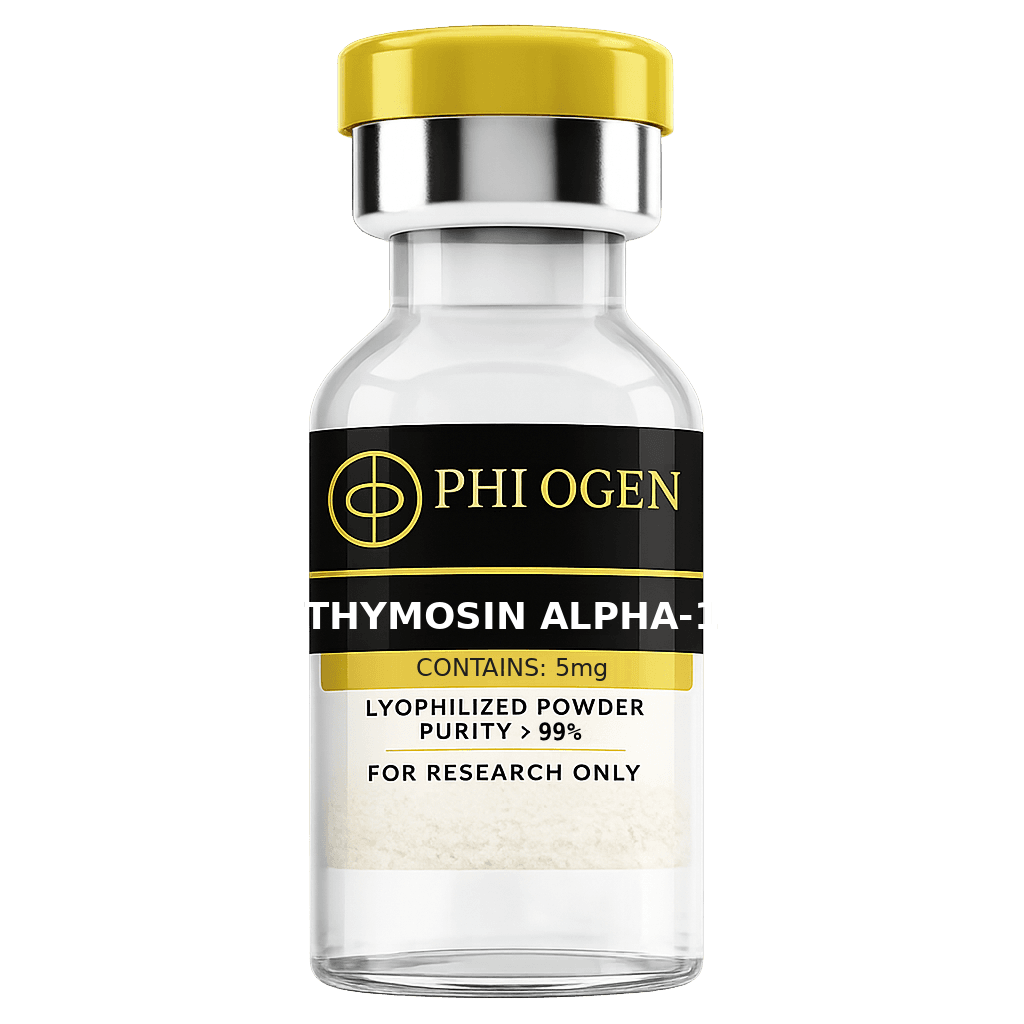
Thymosin Alpha-1
Buy Thymosin Alpha-1 5mg online — research-grade lyophilized peptide for laboratory use. Acetyl 28-amino-acid thymic peptide. ≥98% HPLC purity verified.
CAS: 62304-98-7
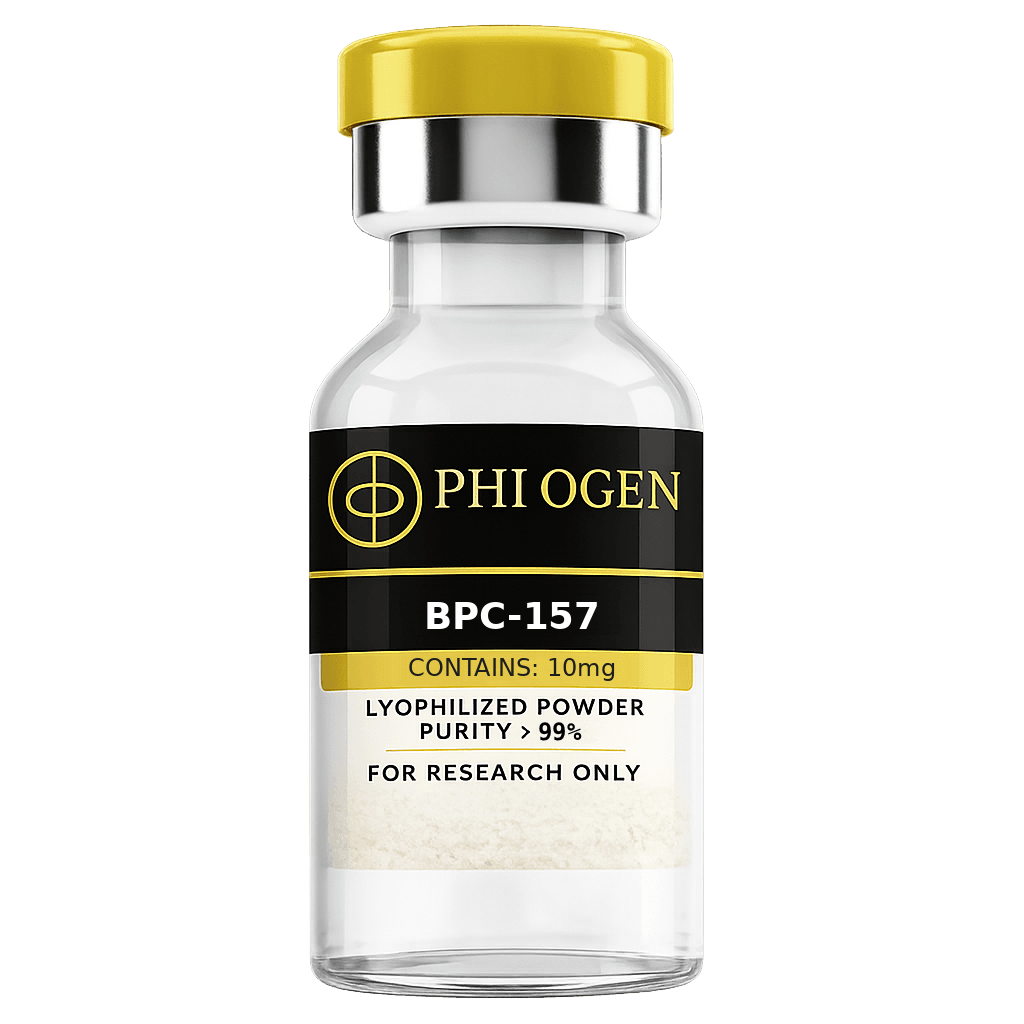
BPC-157
Buy BPC-157 10mg online — research-grade lyophilized peptide for laboratory use. Body Protection Compound-157 (15-amino-acid pentadecapeptide). ≥98% HPLC purity verified.
CAS: 137525-51-0
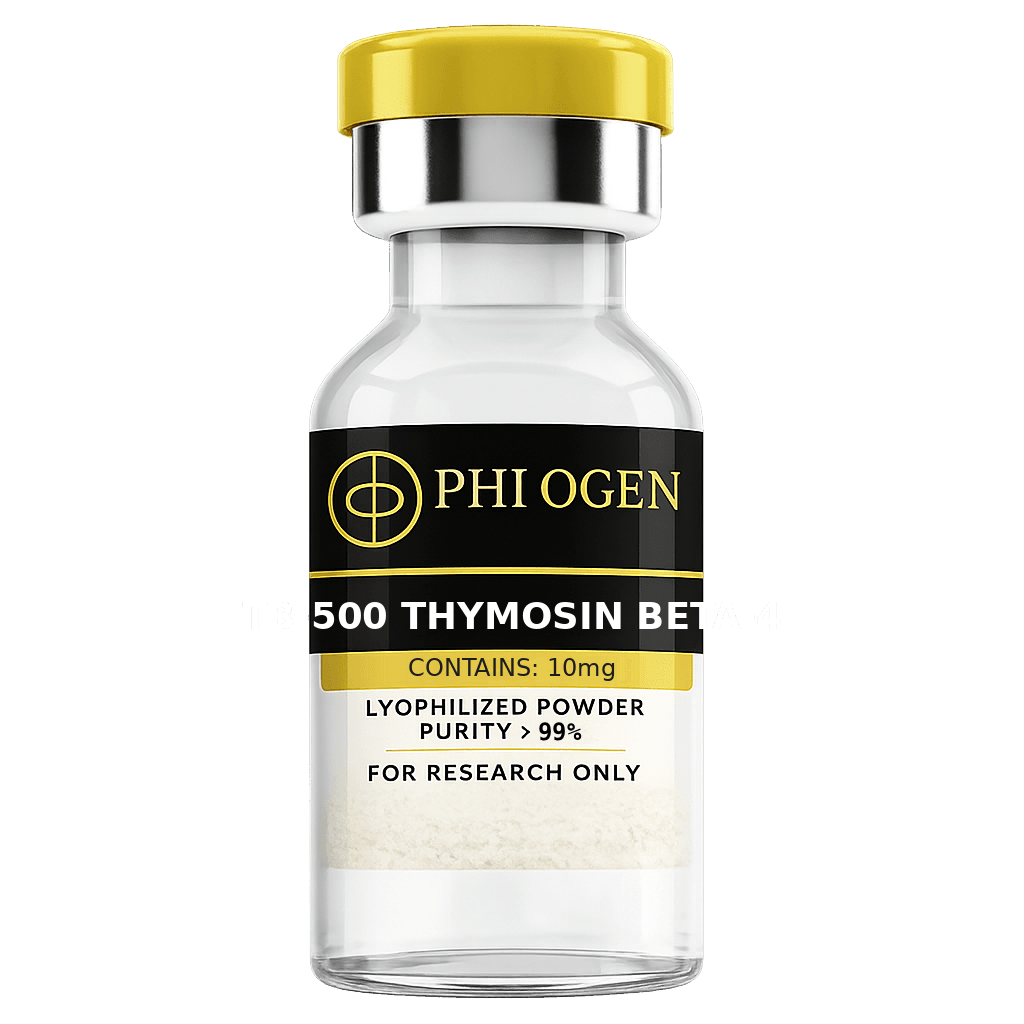
TB-500 (Thymosin Beta-4)
Buy TB-500 (Thymosin Beta-4) 10mg online — research-grade lyophilized peptide for laboratory use. Thymosin Beta-4 fragment (Ac-LKKTETQ active region). ≥98% HPLC purity verified.
CAS: 77591-33-4
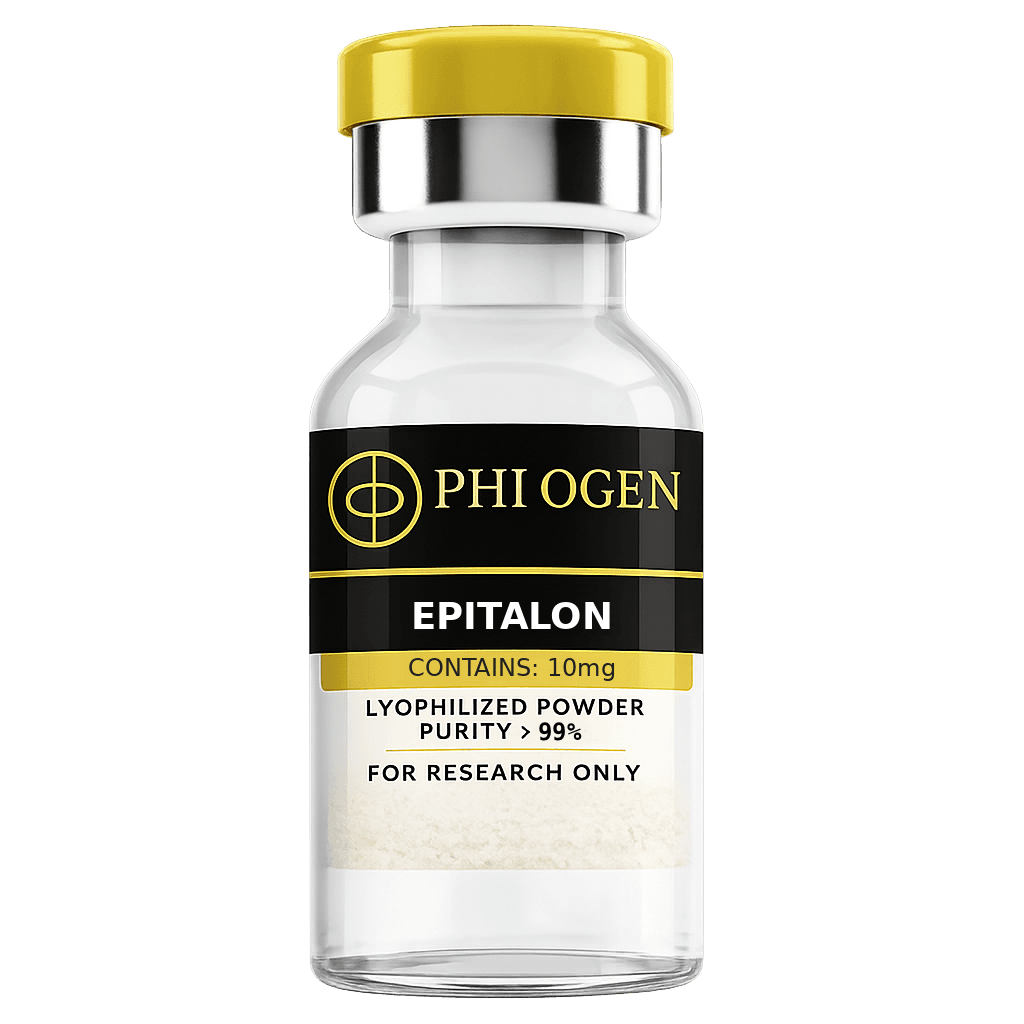
Epitalon
Buy Epitalon 10mg online — research-grade lyophilized peptide for laboratory use. Ala-Glu-Asp-Gly tetrapeptide. ≥98% HPLC purity verified.
CAS: 307297-39-8
Research Context
Thymosin Alpha-1 is the only peptide in this category with regulatory approval (Zadaxin) in multiple countries, giving it an unusually deep clinical dataset. BPC-157 complements it via its anti-inflammatory eNOS effects, creating a multi-pathway approach to immune modulation.
Immune Support Peptides: Research Overview
Immune-modulating peptides interact with the thymus gland and immune cell signaling pathways. These compounds are studied for their potential to support immune function through T-cell modulation, cytokine regulation, and thymic hormone mimicry.
Key Peptides
TB-500 (Thymosin Beta-4 Fragment) Derived from thymosin beta-4, TB-500 has immune-modulating properties through its effects on T-cell maturation and anti-inflammatory pathways. The thymus gland naturally produces thymosin proteins that are essential for immune system development.
Epithalon and Immune Aging Research by Khavinson et al. has shown that Epithalon may support immune function in aging models by influencing pineal-thymic interactions. The pineal gland's production of melatonin plays a role in immune regulation, and Epithalon research has explored its effects on this pathway.
BPC-157 Immune Effects BPC-157 has demonstrated immune-modulating properties in research, including anti-inflammatory effects and modulation of the nitric oxide system, which plays a role in immune cell signaling.
Research Applications
- T-cell maturation and function
- Thymic involution studies
- Inflammatory response modulation
- Immune senescence research
- Autoimmune model studies
What's Happening in the Cell
Molecular mechanisms behind immune support peptides research
- 1
Thymosin Beta-4 Origin (TB-500)
Thymosin Beta-4 was originally isolated from the thymus — the primary organ of T-cell maturation. Tβ4 plays a role in immune cell development and migration. TB-500 research focuses on its anti-inflammatory effects through downregulation of TNF-alpha and IL-6 in injured tissue.
- 2
Cytokine Modulation
Both BPC-157 and TB-500 modulate pro-inflammatory cytokines at injury sites. BPC-157 reduces COX-2 expression and inflammatory cascades in mucosal tissue. TB-500's actin-binding reduces neutrophil infiltration — shifting from acute inflammation toward organized tissue repair.
- 3
Pineal / Neuroendocrine Regulation (Epithalon)
Epithalon is the synthetic analog of a pineal extract. Research covers its role in melatonin regulation, circadian immune signaling, and neuroendocrine-immune axis function. Khavinson et al. documented reduced incidence of immune-related pathology in aged rodent models given Epithalon.
Investigated Combinations
Suggested compound combinations for immune support peptides research
Immune & Longevity Stack
Full ProtocolTB-500 for anti-inflammatory cytokine modulation; Epithalon for neuroendocrine-immune axis normalization; BPC-157 for broad tissue protection. Three pathways addressing immune function from cellular to systemic level.
Anti-Inflammatory Protocol
Recovery FocusTB-500 + BPC-157 for complementary anti-inflammatory action — TB-500 reduces TNF-alpha/IL-6 at injury sites; BPC-157 reduces NF-kB signaling and protects mucosal tissue. The Wolverine Stack.
- Tβ4TB-500 thymosin originThymic immune signaling
- 36+BPC-157 preclinical studiesSikiric lab, 1993–2024
- 50+Years Epithalon researchDr. Khavinson Institute
- ≥98%Purity guaranteeClav Tides
Research-Grade Immune Support Peptides
>98% purity, third-party tested. Free shipping on orders over $200.
Key Research
Published studies underpinning immune support peptides
Journal of Immunology
Philp D. et al.
Thymosin Beta-4 modulated immune cell migration via actin regulation — promoting lymphocyte motility and T-cell response. Established actin-sequestration as a mechanism linking cytoskeletal biology to immune function.
Bulletin of Experimental Biology and Medicine
Khavinson V.K. et al.
Long-term Epithalon administration in aged rodents reduced incidence of carcinogenesis, improved lymphocyte activity, and normalized age-related neuroendocrine-immune signaling disruptions.
Frontiers in Pharmacology
Sikiric P. et al.
BPC-157 demonstrated broad anti-inflammatory effects — reducing TNF-alpha, IL-6, and NF-kB signaling in multiple injury models while accelerating tissue repair without immune suppression.
Related Research
Articles and breakdowns for immune support peptides
Looking for Clavicular's Looksmaxxing Stack?
See which peptides Clavicular uses in his viral looksmaxxing transformation — Retatrutide, BPC-157, and more.
What Researchers Ask
- Q1
How does TB-500 relate to immune function?
TB-500 is derived from thymosin beta-4, a protein produced by the thymus gland that plays a crucial role in T-cell maturation and immune system development. It has demonstrated immune-modulating and anti-inflammatory properties in research.
- Q2
What role does the thymus play in immunity?
The thymus is where T-cells mature and differentiate. It produces thymosin proteins (including thymosin beta-4) that regulate immune cell development. Thymic function declines with age, contributing to immune senescence.
Shop Immune Support Peptides
Research-grade immune support peptides from Peptides Looksmaxxing. Third-party tested, >98% purity guaranteed.