Gut Health Peptides
Peptides studied for gastrointestinal protection, gut mucosal repair, and digestive system research.
Gut Health Peptides — Available Products
Research-grade compounds from Peptides Looksmaxxing. >98% purity, CoA on request.
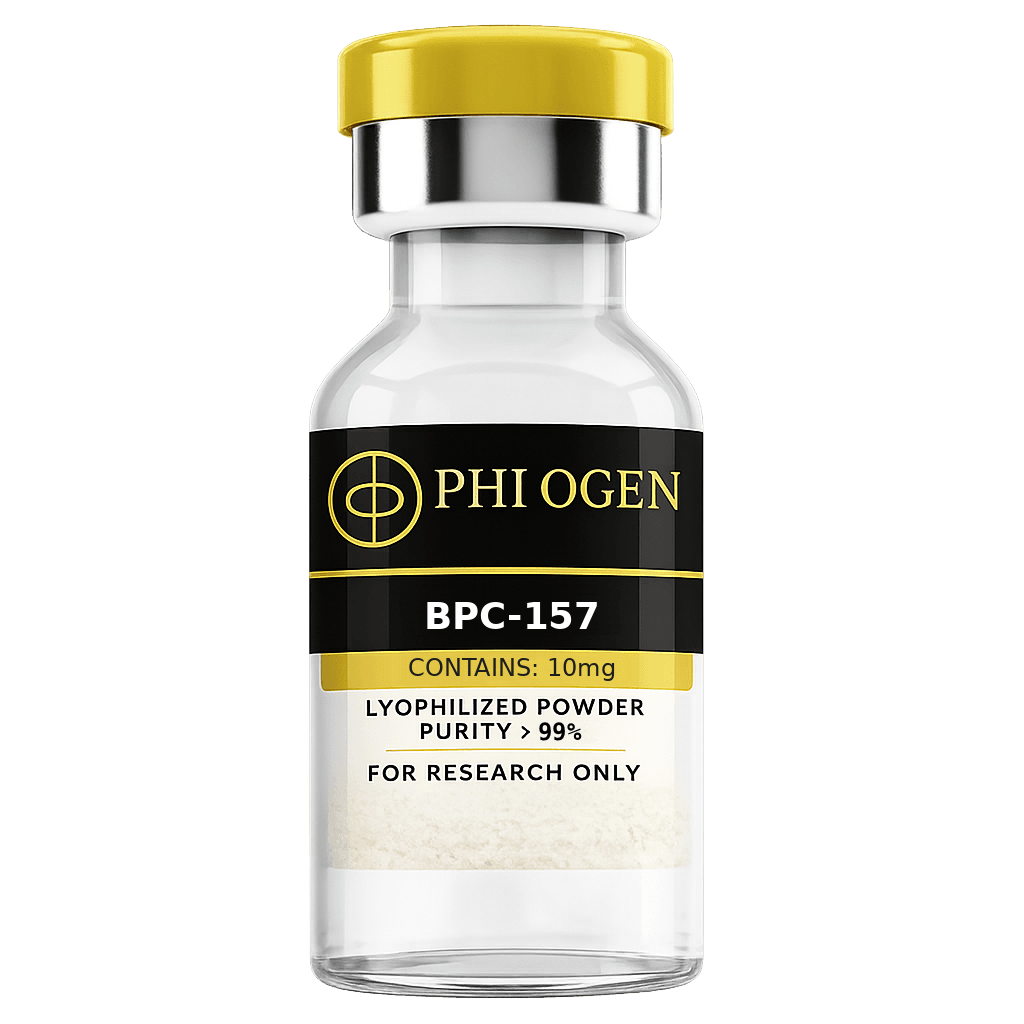
BPC-157
Buy BPC-157 10mg online — research-grade lyophilized peptide for laboratory use. Body Protection Compound-157 (15-amino-acid pentadecapeptide). ≥98% HPLC purity verified.
CAS: 137525-51-0
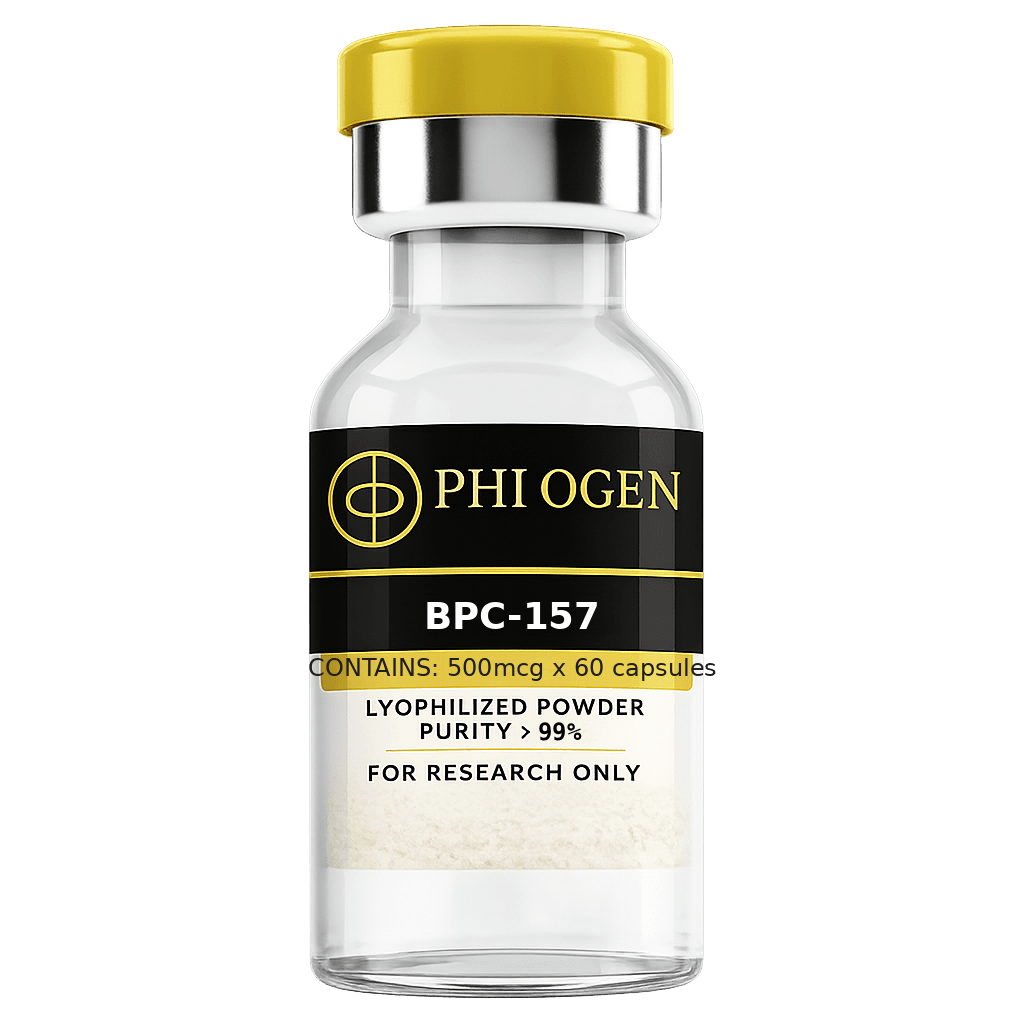
BPC-157 Capsules
Buy BPC-157 Capsules 500mcg x60 online — research-grade lyophilized peptide for laboratory use. Body Protection Compound-157 (15-amino-acid pentadecapeptide). ≥98% HPLC purity verified.
CAS: 137525-51-0
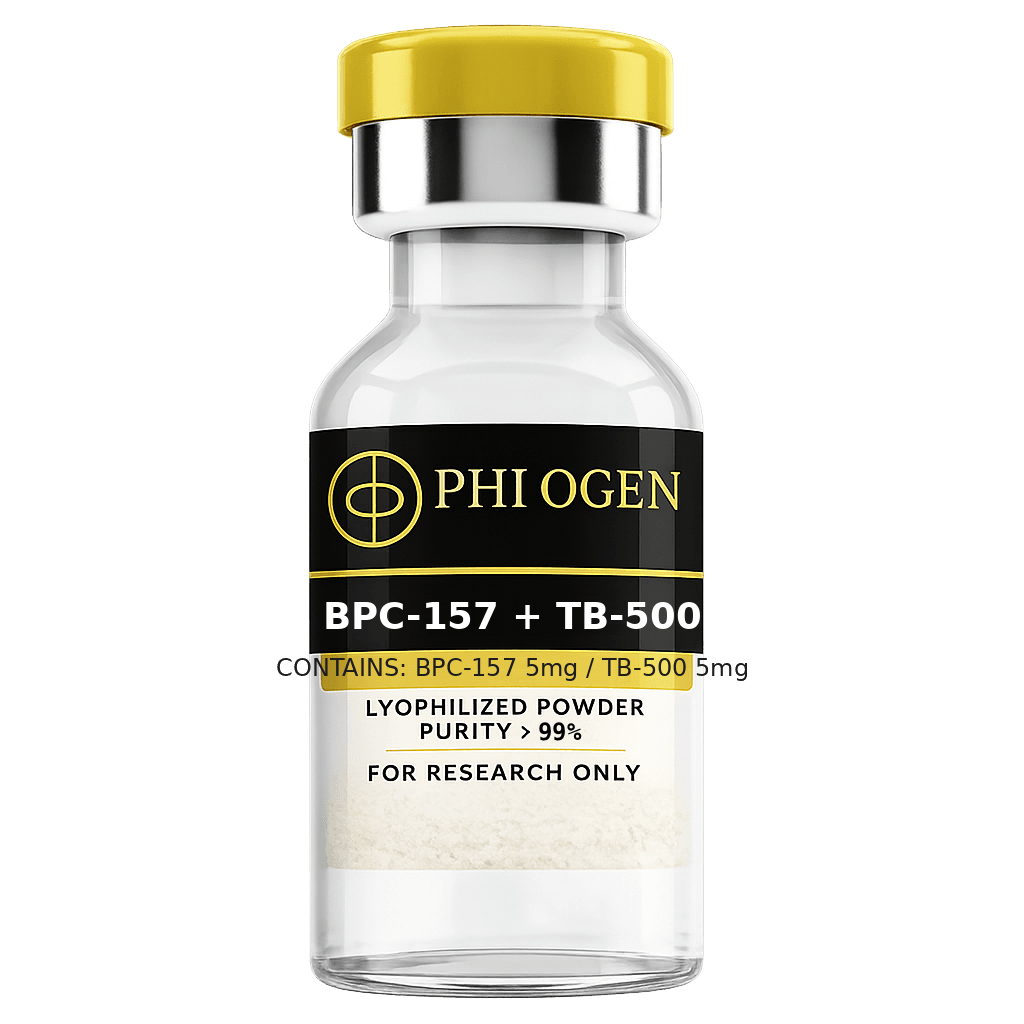
BPC-157 + TB-500 Blend
Buy BPC-157 + TB-500 Blend 10mg online — research-grade lyophilized peptide for laboratory use. Body Protection Compound-157 (15-amino-acid pentadecapeptide). ≥98% HPLC purity verified.
CAS: 137525-51-0
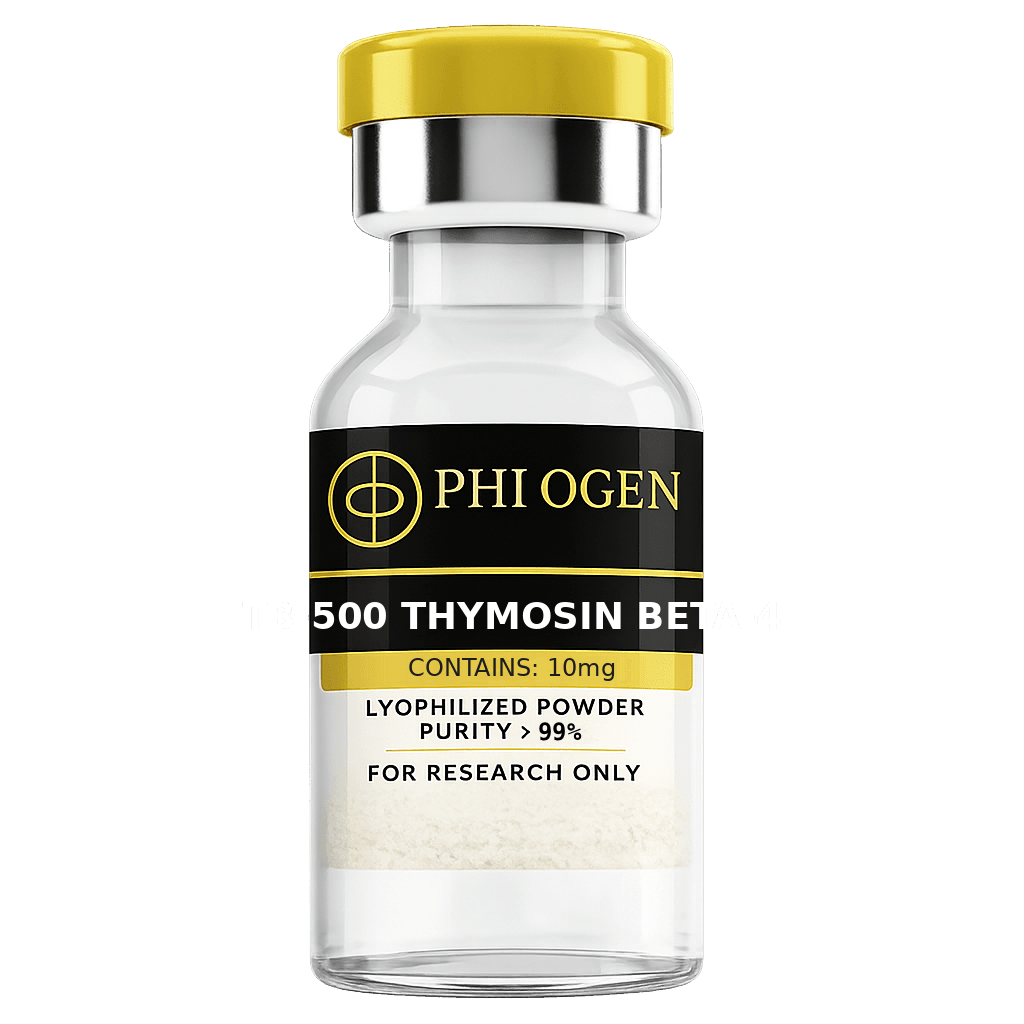
TB-500 (Thymosin Beta-4)
Buy TB-500 (Thymosin Beta-4) 10mg online — research-grade lyophilized peptide for laboratory use. Thymosin Beta-4 fragment (Ac-LKKTETQ active region). ≥98% HPLC purity verified.
CAS: 77591-33-4
Research Protocols
Suggested compound combinations for gut health peptides research
GI Repair Protocol
Core StackBPC-157 for gastric mucosal cytoprotection, VEGFR2 angiogenesis in GI tissue, and enteric nervous system modulation. The primary tool in GI repair and gut health research — 36+ published studies, no identified toxic dose.
GLP + GI Stack
Essential PairingGLP-1 agonists cause significant GI stress (nausea, gastroparesis). BPC-157 directly counteracts this via mucosal protection and enteric NS modulation. Essential for any GLP research protocol.
Research Context
BPC-157's gut healing dataset spans three decades and dozens of animal models, making it the most documented healing peptide in the GI literature. Its ability to accelerate NSAID-induced ulcer healing within 24 hours in rodent models set the benchmark for all subsequent gastrointestinal peptide research.
- 36+BPC-157 studiesDr. Sikiric, Univ. Zagreb
- VEGFR2Primary angiogenesis pathwayPI3K → Akt → eNOS
- GLP-1Gut hormone axis (Semaglutide)Incretin + GI protection
- 0Identified toxic dose (BPC-157)No minimum toxic dose found
Gut Health Peptides: Research Overview
Gastrointestinal research has identified BPC-157 as a particularly significant peptide due to its origins in gastric juice and its demonstrated effects on gut mucosal integrity.
Key Peptides
BPC-157 (Body Protection Compound) BPC-157 derives from a protective protein found in human gastric juice, making it uniquely relevant to gut health research. Studies have demonstrated its effects on:
- Gastric mucosal protection and repair
- Intestinal anastomosis healing
- Inflammatory bowel disease models
- Gut-brain axis interactions
- Esophageal damage repair
- Stomach ulcer healing
- Colon inflammation reduction
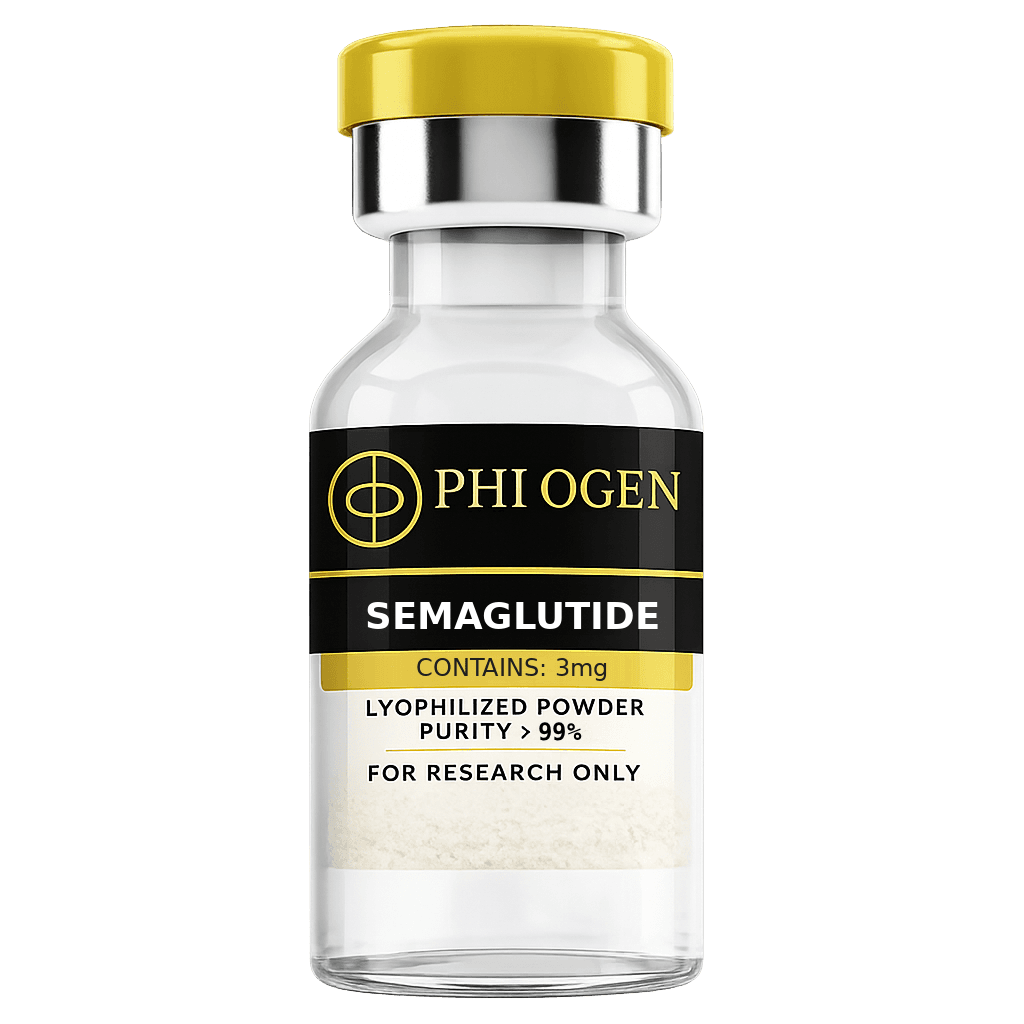
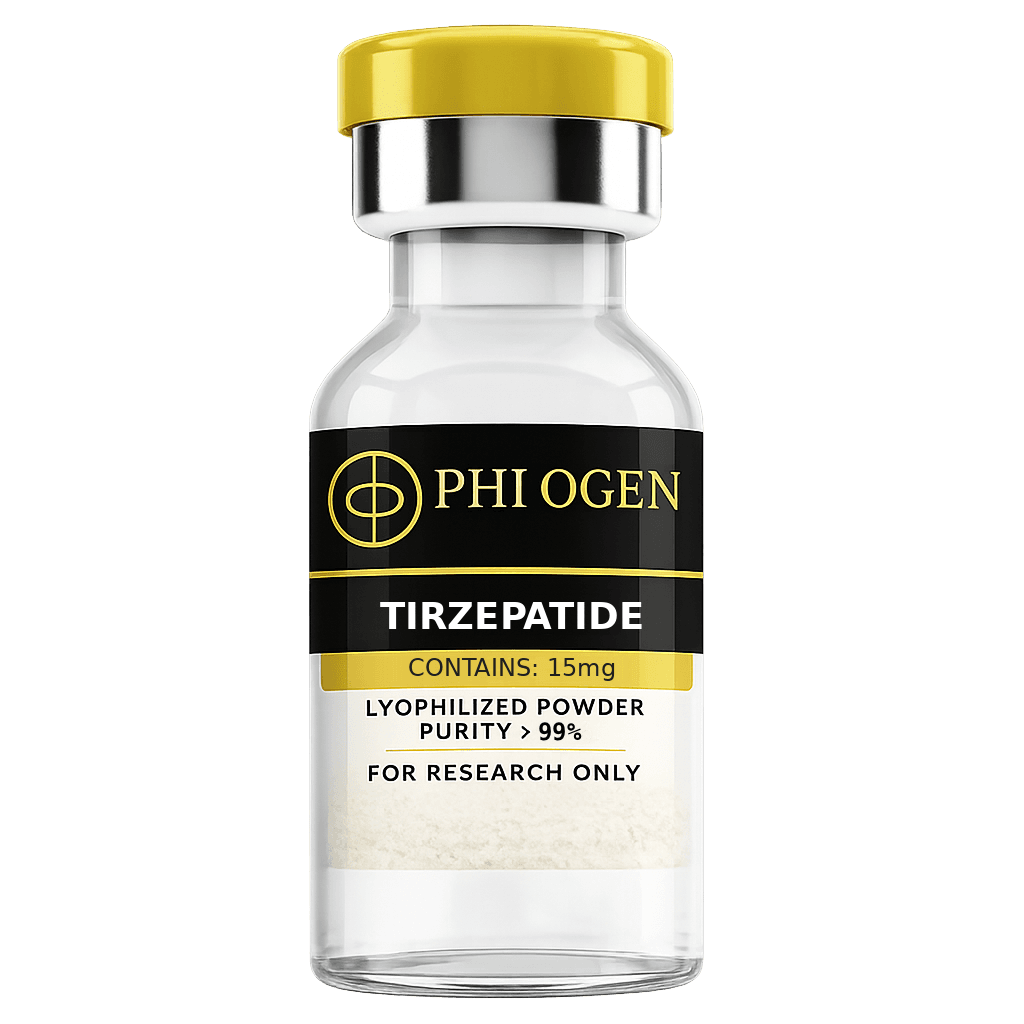
GLP-1 Agonists and Gut Function Semaglutide, Tirzepatide, and Retatrutide all interact with GLP-1 receptors in the gastrointestinal tract. Research has explored their effects on gastric emptying, gut motility, and intestinal hormone signaling.
Research Applications
- Mucosal protection and repair
- Inflammatory bowel disease models
- Gut-brain axis studies
- Gastric emptying and motility
- Intestinal barrier function research
Mechanism Overview
Molecular mechanisms behind gut health peptides research
- 1
Gastric Mucosal Cytoprotection
BPC-157 upregulates cytoprotective gene expression in gastric mucosal epithelial cells, strengthening tight junctions and gut barrier integrity. Protects against ethanol, NSAID, and ischemia-induced mucosal damage in preclinical models. No minimum toxic dose identified across 36+ published studies.
- 2
VEGFR2 / Angiogenesis in GI Tissue
The same VEGFR2 → PI3K → Akt → eNOS cascade that drives wound healing also regenerates mucosal vasculature. New capillary formation supports nutrient supply to epithelial cells and accelerates mucosal repair following ulceration, inflammation, or surgical stress.
- 3
Enteric Nervous System Modulation
BPC-157 influences serotonin and dopamine signaling in the gut's intrinsic nervous system. This modulates motility, reduces nausea signaling, and may counteract GLP compound-induced gastroparesis — the primary reason BPC-157 is paired with GLP agonists like Retatrutide in recovery stacks.
Research-Grade Gut Health Peptides
>98% purity, third-party tested. Free shipping on orders over $200.
Research Highlights
Published studies underpinning gut health peptides
Journal of Physiology Paris
Sikiric P. et al.
BPC-157 prevented anastomotic dehiscence (gut fistula formation) and accelerated intestinal repair in rat models. No minimum toxic dose identified — stable across all dose ranges tested.
Inflammatory Bowel Diseases
Gwyer D. et al.
Review of BPC-157 in gastrointestinal research: cytoprotective effects across esophagus, stomach, small intestine, and colon. VEGFR2 upregulation consistently identified as primary pro-healing mechanism.
Current Neuropharmacology
Sikiric P. et al.
BPC-157 modulated the brain-gut axis in multiple models — normalizing dopamine and serotonin activity, protecting against NSAID-induced mucosal damage, and counteracting GLP-1 agonist GI side effects.
Related Research
Articles and breakdowns for gut health peptides
Looking for Clavicular's Looksmaxxing Stack?
See which peptides Clavicular uses in his viral looksmaxxing transformation — Retatrutide, BPC-157, and more.
Frequently Asked Questions
- Q1
Why is BPC-157 significant for gut research?
BPC-157 is derived from a naturally occurring protein in human gastric juice. It is stable in stomach acid and has been extensively studied for gastrointestinal mucosal protection and repair in over 100 published research papers.
- Q2
How do GLP-1 agonists affect the gut?
GLP-1 receptor agonists like Semaglutide and Tirzepatide interact with GLP-1 receptors throughout the gastrointestinal tract, affecting gastric emptying, gut motility, and intestinal hormone signaling pathways.
Shop Gut Health Peptides
Research-grade gut health peptides from Peptides Looksmaxxing. Third-party tested, >98% purity guaranteed.